City page

Venice Art Guide

Venice holds one of the densest concentrations of art in Europe, spread across museums, churches, scuole, and palazzi connected by water rather than streets. This guide maps the city's most important artworks, from Titian's Assumption at the Frari to Tintoretto's vast cycles at the Scuola Grande di San Rocco and Bellini's altarpieces in parish churches most visitors walk past.

Use this page to locate key sites on the interactive map, find practical booking information, and build a walking itinerary organized by artistic clusters rather than random wandering.

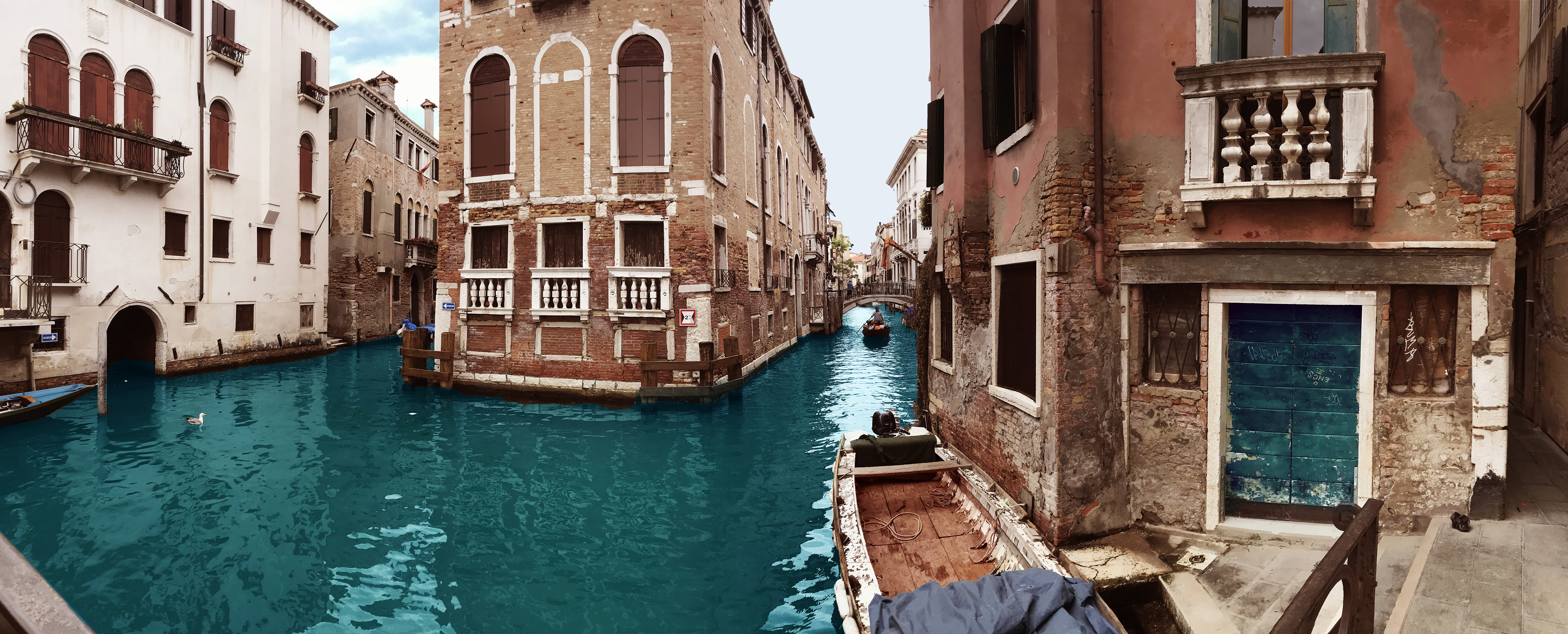
Venice architectural detail over the canal

Explore Venice on the map

Tap to activate map

Main Venice art clusters

San Marco – Ducal core

Palazzo Ducale, Basilica di San Marco, Museo Correr

Palazzo Ducale holds Tintoretto's Paradise (1588–1592) in the Sala del Maggior Consiglio and Veronese's Triumph of Venice on the ceiling. The Basilica's gold mosaics span the 12th–13th centuries. Museo Correr, at the far end of Piazza San Marco, has Bellini's Pietà and Carpaccio's Two Venetian Ladies. All three are walkable within five minutes of each other. Book Palazzo Ducale at least 2–3 days ahead in summer.

Book Palazzo Ducale tickets

Dorsoduro – painting district

Gallerie dell'Accademia, Peggy Guggenheim, Santa Maria della Salute

The Accademia houses the core of Venetian painting: Giovanni Bellini's San Giobbe Altarpiece (c. 1487), Giorgione's Tempest (c. 1508), Veronese's Feast in the House of Levi (1573), and Titian's Pietà (c. 1576). The Guggenheim (5 minutes south along the Grand Canal) covers 20th-century art. The Salute, another 5 minutes on foot, has Titian ceiling paintings in the sacristy. Start early at the Accademia (opens 8:15) to avoid crowds.

Book Gallerie dell'Accademia guided tourBook Peggy Guggenheim tickets

San Polo – Tintoretto and Titian

Basilica dei Frari, Scuola Grande di San Rocco, San Polo churches

The Frari contains Titian's Assumption of the Virgin (1516–1518) above the high altar, his Pesaro Madonna (1519–1526) in the left nave, and Giovanni Bellini's triptych in the sacristy. The Scuola Grande di San Rocco, a 2-minute walk away, holds over 60 Tintoretto canvases (1564–1588), including the enormous Crucifixion in the Sala dell'Albergo. San Rocco does not require advance booking. The Frari charges a small entry fee at the door.

Basilica dei Frari (official site)

Where to see art in Venice: key museums and sites

ⓘ Opening hours and admission prices listed on this page are indicative and subject to change. Always verify current information on the official website of each venue before your visit.

Palazzo Ducale

Piazza San Marco – open daily 9:00–18:00 (summer until 19:00) – book 2–3 days ahead in peak season

The seat of Venetian government holds some of the largest Renaissance canvases ever painted. In the Sala del Maggior Consiglio: Tintoretto's Paradise (1588–1592, roughly 22 × 7 meters) and Veronese's Apotheosis of Venice on the ceiling. The Sala del Collegio has Veronese's Mars and Neptune (1575–1577). The Armoury on the upper floors and the Bridge of Sighs passage leading to the New Prisons are included in the standard ticket. The Secret Itineraries tour (limited to 25 people, must be booked separately) accesses the torture chambers and Casanova's cell.

Book Palazzo Ducale ticketsBook Palazzo Ducale guided tour

Gallerie dell'Accademia

Campo della Carità, Dorsoduro – open Tue–Sun 8:15–19:15, Mon 8:15–14:00 – book online to skip the queue

The essential museum of Venetian painting. Room 2: Giovanni Bellini's Enthroned Madonna and Saints and Carpaccio's Presentation in the Temple. Room 5: Giorgione's Tempest (c. 1508), one of the most debated works in art history. Room 6: Titian's Pietà (c. 1576, his last painting). Room 10: Veronese's Feast in the House of Levi (1573), over 12 meters wide. Room 20: Gentile Bellini's Procession in St. Mark's Square (1496) and the Legend of the True Cross cycle. Room 24: Titian's Presentation of the Virgin (1534–1539), displayed in the room it was originally painted for.

Book Gallerie dell'Accademia guided tour

Peggy Guggenheim Collection

Palazzo Venier dei Leoni, Dorsoduro – open Wed–Mon 10:00–18:00, closed Tuesdays – 5 min walk from the Accademia

Peggy Guggenheim's personal collection in her former Grand Canal palazzo spans Cubism to Abstract Expressionism. Key works: Picasso's On the Beach (1937), Dalí's Birth of Liquid Desires (1932), Pollock's Alchemy (1947), Ernst's Attirement of the Bride (1940), Magritte's Empire of Light (1953–1954), and Marino Marini's bronze Angel of the City (1948) on the terrace. The Nasher Sculpture Garden in the courtyard is accessible from the entrance.

Book Peggy Guggenheim tickets

Basilica dei Frari

Campo dei Frari, San Polo – open Mon–Sat 9:00–18:00, Sun 13:00–18:00 – no advance booking needed

The largest Gothic church in Venice and a key site for Venetian Renaissance painting. Titian's Assumption of the Virgin (1516–1518) dominates the apse, visible from the entrance through the monk's choir. His Pesaro Madonna (1519–1526) hangs on the second altar of the left nave. The sacristy holds Giovanni Bellini's Madonna and Child with Saints (1488). Also in the church: Donatello's wooden St. John the Baptist (c. 1438) and Canova's pyramidal tomb monument (1827). Three minutes from the Scuola Grande di San Rocco.

Basilica dei Frari (official site)

Scuola Grande di San Rocco

Campo San Rocco, San Polo – open daily 9:30–17:30 – no advance booking needed

Tintoretto worked here for over two decades (1564–1588), producing more than 60 paintings that cover every wall and ceiling. The Sala dell'Albergo on the upper floor holds the enormous Crucifixion (1565), often considered his finest work. The upper hall ceiling has Old Testament scenes, the walls New Testament narratives. The ground floor has scenes from the life of the Virgin. Mirrors are available at the entrance for viewing ceiling paintings without neck strain.

Ca' d'Oro (Galleria Franchetti)

Cannaregio – open Tue–Sun 8:15–19:15, Mon 8:15–14:00 – reachable by vaporetto stop Ca' d'Oro

A 15th-century Gothic palazzo on the Grand Canal, now housing Baron Franchetti's collection. The highlight is Mantegna's St. Sebastian (c. 1506) on the ground floor. Also present: Tullio Lombardo's Double Portrait, a Titian fragment of Venus, and Venetian bronze sculptures. The courtyard with its wellhead by Bartolomeo Bon is worth pausing in.
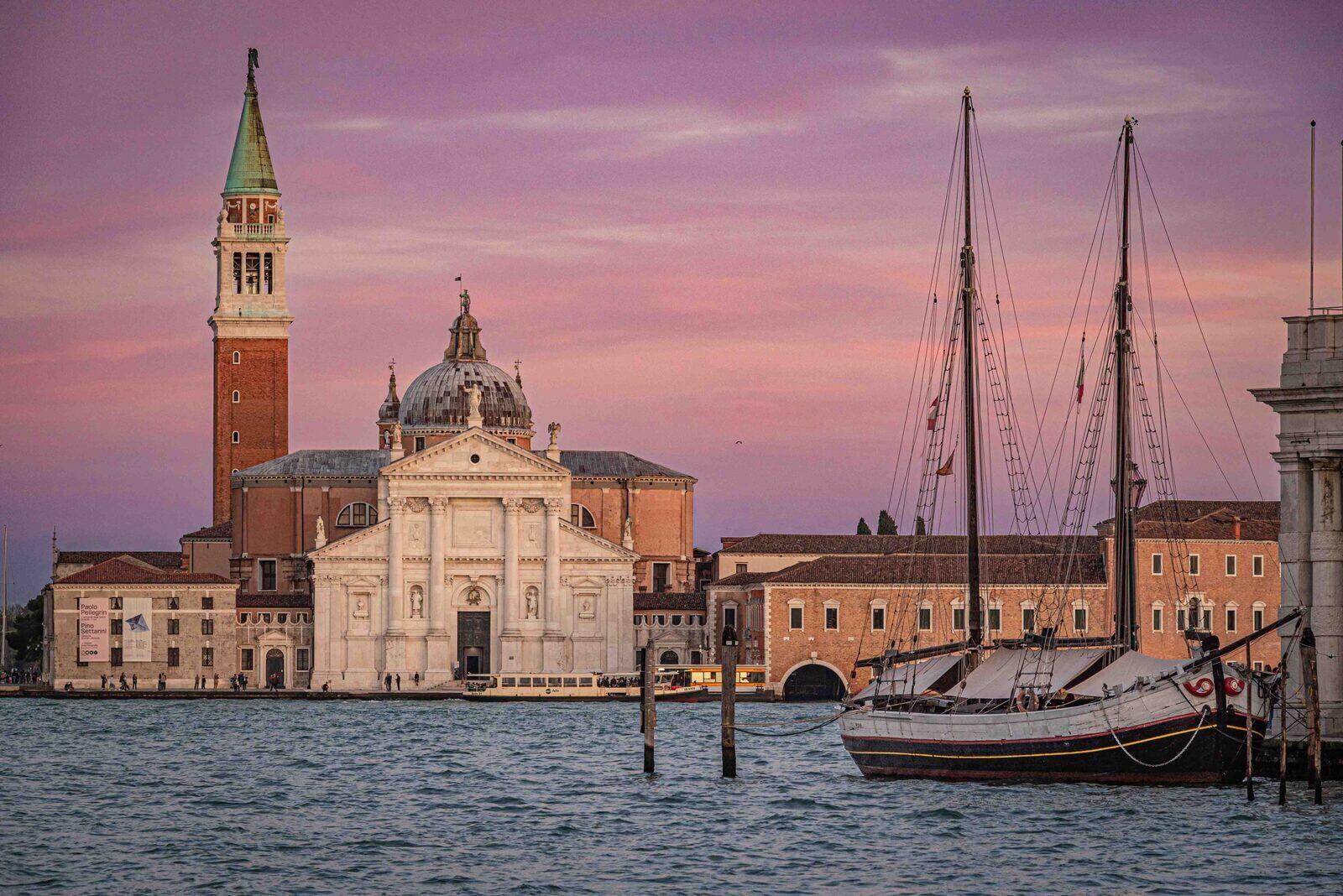
Search for great artists in Venice

Titian Art Map

Venice holds more Titian than any other city: the Assumption and Pesaro Madonna at the Frari, the Pietà at the Accademia, ceiling paintings at the Salute sacristy, and the Presentation of the Virgin in its original room at the Accademia.

Mantegna Art Map

Mantegna's late St. Sebastian (c. 1506) at the Ca' d'Oro is one of his most austere works. His influence is also visible in the Bellini altarpieces throughout Venetian churches, particularly at San Zaccaria and the Frari.

Klimt Art Map

Though Klimt's major holdings are in Vienna, the Peggy Guggenheim Collection connects Venice to early modernism. For Klimt specifically, combine a Venice trip with Vienna's Belvedere and Secession building.

Read Venice on TheIntroverTraveler

Venice canal

Modern Bodies at the Accademia Gallery in Venice

A visit to the Gallerie dell'Accademia in Venice: Leonardo's Vitruvian Man and an exhibition of Piero della Francesca's De prospectiva pingendi — two monuments of Renaissance thinking about the body, proportion, and space, encountered in the same building.

FAQ

Do I need to book Palazzo Ducale tickets in advance?

Yes, especially from April to October. Booking 2–3 days ahead is recommended during peak season to avoid queues at the Piazzetta entrance. The Secret Itineraries guided tour (limited to 25 people) should be booked at least a week in advance.

Where are the most important Titian paintings in Venice?

The Basilica dei Frari has his two most famous altarpieces: the Assumption (1516–1518) and the Pesaro Madonna (1519–1526). The Gallerie dell'Accademia holds his Pietà (c. 1576) and Presentation of the Virgin (1534–1539). The sacristy of Santa Maria della Salute has ceiling paintings and St. Mark Enthroned with Saints.

How many days do I need for art in Venice?

Three full days covers the major sites. Day 1: San Marco area (Palazzo Ducale, Basilica, Museo Correr). Day 2: Dorsoduro (Accademia, Guggenheim, Salute). Day 3: San Polo and Cannaregio (Frari, San Rocco, Ca' d'Oro). Add a fourth day for Castello churches and Torcello's Byzantine mosaics.

Which Venice churches have the best art and are free to enter?

San Zaccaria (Giovanni Bellini's altarpiece, 1505), San Sebastiano (Veronese's frescoes, 1555–1570), and Santi Giovanni e Paolo (works by Bellini, Veronese, and Piazzetta) are all free or have minimal entry fees. The Chorus Pass (about 12 EUR) covers entry to 15 participating churches.

Is the Peggy Guggenheim Collection worth visiting for modern art?

Yes, and it is one of Europe's best small modern art museums. Highlights include Pollock's Alchemy (1947), Picasso's On the Beach (1937), Dalí's Birth of Liquid Desires (1932), and Magritte's Empire of Light (1953–1954). Open daily except Tuesday, 10:00–18:00.

Venice: where painting, water, and architecture are inseparable.

Venice developed its own school of painting, distinct from Florence and Rome, built on color, light, and atmosphere rather than line and perspective. From Bellini to Titian to Tintoretto, and from Byzantine mosaics to Veronese's vast canvases, the art is physically embedded in the churches, scuole, and palazzi where it was made. The map helps you navigate it.