City page

Florence Art Map

Florence is one of the rare cities where the map genuinely changes the quality of the visit. Museums, churches, cloisters, civic spaces, and sculpture are dense enough that a geography-first approach is far more intelligent than a generic list of attractions.

Use this page to open Florence inside ArtAtlas, orient yourself around the major cultural clusters, and then move into deeper commentary on TheIntroverTraveler.

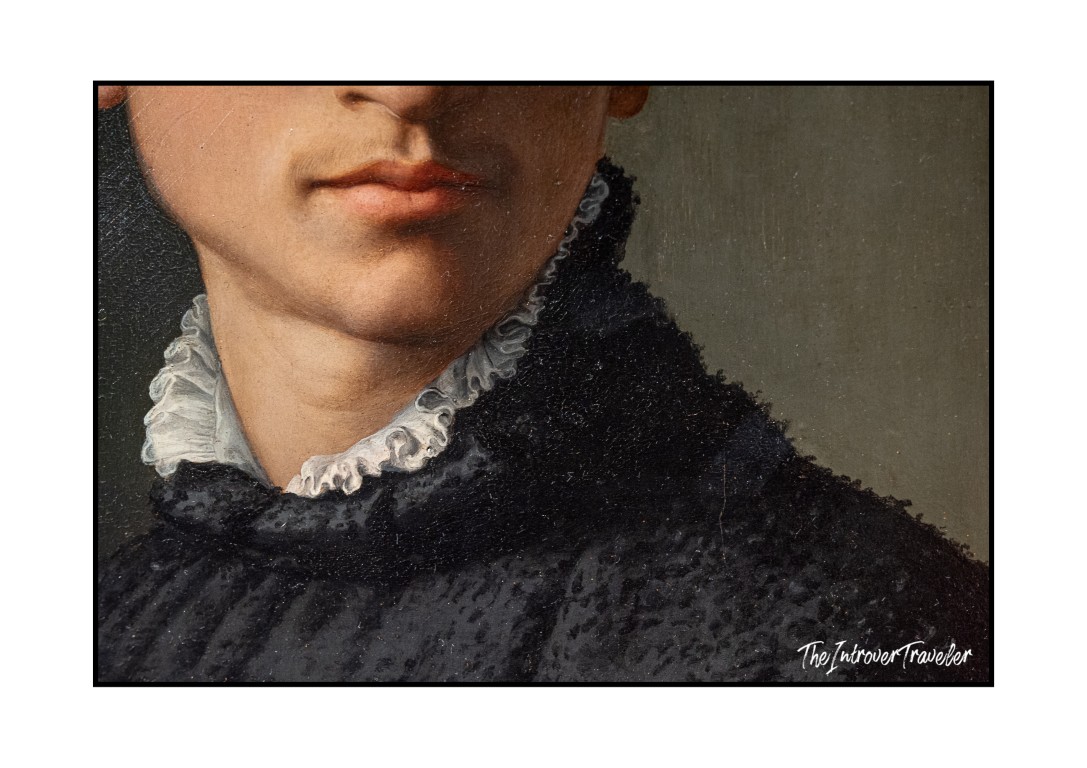
Florence Renaissance detail

Explore Florence on the map

Renaissance art Museums Churches Sculpture
Open the full map

How to approach Florence intelligently

Florence punishes bad sequencing. The city is small enough to feel manageable and dense enough to make lazy planning expensive in time and attention. The map helps separate the visit into coherent geographic zones instead of pushing you into a random sprint between famous names.

  • Start with a district or institution cluster rather than a bucket list.
  • Group museums with nearby churches and sculpture-rich sites.
  • Use major anchors like the Uffizi or Bargello without letting them absorb the whole itinerary.

Main Florence art clusters

Institutional core

Uffizi and Piazza della Signoria

The canonical concentration point: painting, civic symbolism, sculpture, and the political heart of the city all overlap here.

Sculpture network

Bargello and nearby civic Florence

Essential for anyone who wants Florence to mean more than painting. The area rewards attention to sculptural density and historical layering.

Religious topography

Santa Maria Novella and major churches

Florence cannot be read properly without the churches. They are not secondary stops but part of the city’s core visual and devotional infrastructure.

Read Florence on TheIntroverTraveler

The Uffizi Gallery in Florence

The obvious cornerstone article for Florence. This should be one of the strongest internal bridges between the map and the blog.

Open the full ArtAtlas map

Useful for people who want to zoom back out from Florence and compare the city with other cultural destinations.

Continue with Rome

The city pages should eventually form a network. Florence and Rome are the natural first pair.

FAQ

Why use an art map for Florence?

Because Florence is dense enough that spatial relationships matter. The map helps turn scattered names into coherent cultural routes.

Is this page only about museums?

No. Florence has to be understood through museums, churches, civic spaces, sculpture, and the broader urban fabric.

What should I read after using the map?

Start with the Uffizi guide on TheIntroverTraveler, then expand toward other Florence-specific pieces as your editorial coverage grows.

Florence, the pinnacle of the sublime.

If Rome embodies papal opulence, Florence tells a different story—one of bloody rivalries between powerful families and the pursuit of artistic transcendence. Here, art emerged through the rational rigor of Humanism, shaped by figures like Leon Battista Alberti, Brunelleschi, Donatello, and Michelangelo. It is a city where conflict and intellect converged to produce some of the most sublime achievements in Western art.