City page

Vienna Art Guide

Vienna holds one of Europe's densest concentrations of art, from the Habsburg Picture Gallery at the Kunsthistorisches Museum to Klimt's The Kiss at the Upper Belvedere and the Beethoven Frieze inside the Secession building. This page maps the city's key museums, churches and cultural sites so you can plan a structured itinerary based on what you actually want to see.

Below you will find practical booking information for every major venue, details on specific artworks and their locations, and links to deeper articles on TheIntroverTraveler.

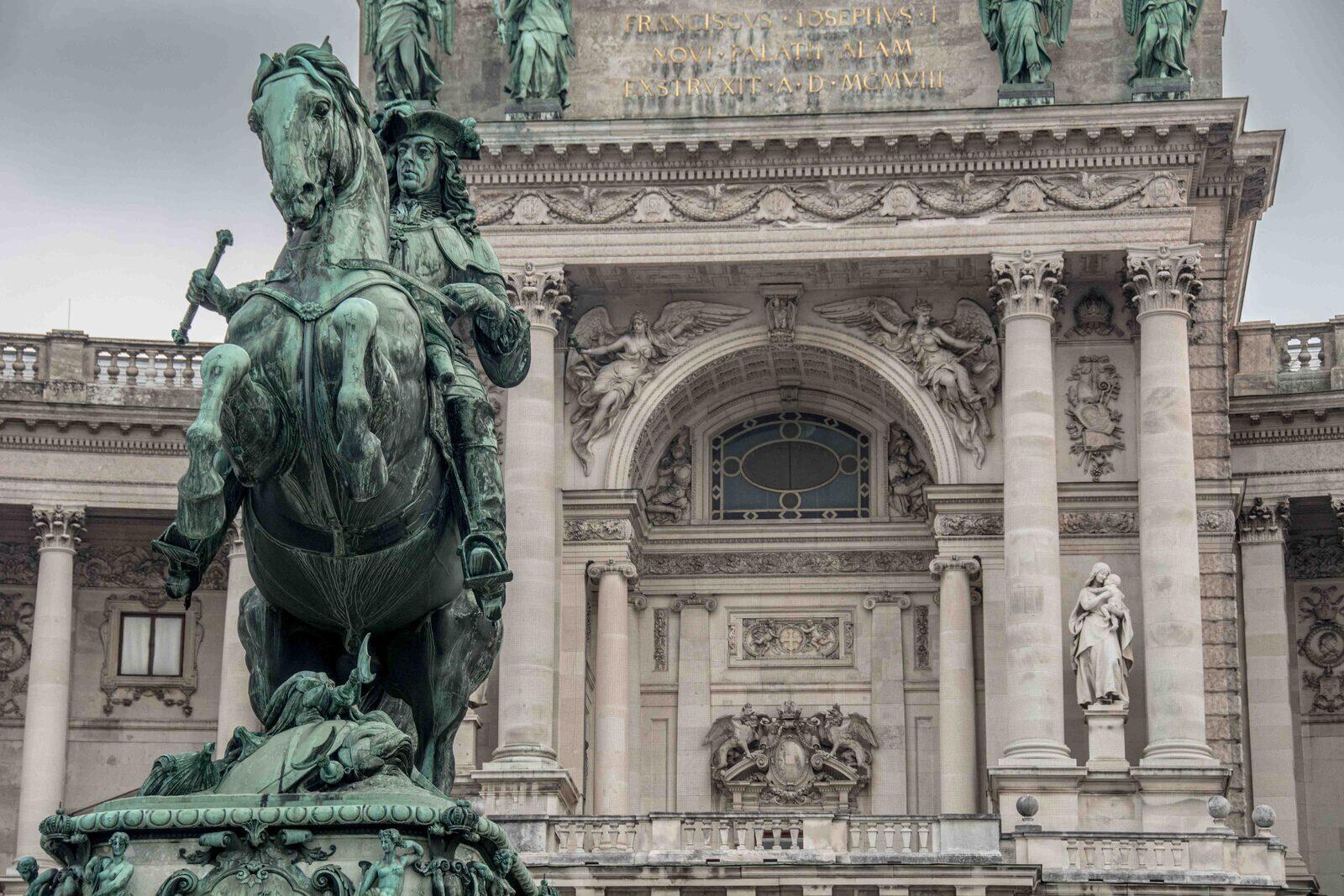
Vienna's Hofburg

Explore Vienna on the map

Tap to activate map

Where to see art in Vienna: museums and key works

ⓘ Opening hours and admission prices listed on this page are indicative and subject to change. Always verify current information on the official website of each venue before your visit.

Kunsthistorisches Museum

Picture Gallery (first floor) – Open daily 10:00–18:00, Thu until 21:00 – Book 1–2 days ahead in peak season

The Habsburg imperial collection is one of the greatest old-master holdings in Europe. The Picture Gallery on the first floor includes Vermeer's The Art of Painting (c. 1666–1668, Room X), Bruegel the Elder's Hunters in the Snow (1565) and The Tower of Babel (1563, both in Room X), Raphael's Madonna of the Meadow (1506, Room 4), Caravaggio's David with the Head of Goliath (c. 1607, Room V), Titian's Nymph and Shepherd (c. 1570, Room I), and multiple Velázquez portraits of the Spanish Infantas (Room 10). The Kunstkammer on the ground floor houses Cellini's famous Saliera (1543). Allow at least 3–4 hours for the picture gallery alone.

Book Kunsthistorisches Museum tickets

Belvedere

Upper Belvedere, first floor – Open daily 10:00–18:00 – Book online to skip the queue

The Upper Belvedere houses the world's most important collection of Austrian art from the Middle Ages through the early 20th century. The star attraction is Klimt's The Kiss (1907–1908), displayed in the dedicated Klimt room on the first floor alongside Judith I (1901) and several landscape paintings. Egon Schiele's Death and the Maiden (1915) and The Embrace (1917) are in the adjacent rooms. The medieval wing includes a remarkable Tyrolean Gothic altarpiece collection. The Lower Belvedere hosts temporary exhibitions. The 3-museum pass also covers the Belvedere 21 (contemporary art) and the Orangery.

Book Belvedere 3-museum pass

Vienna Secession

Friedrichstraße 12 – Open Tue–Sun 10:00–18:00 – No advance booking needed

Joseph Maria Olbrich's 1898 exhibition building, crowned by the gilded laurel-leaf dome, was the headquarters of the Secession movement. The basement permanently houses Klimt's Beethoven Frieze (1902), a 34-meter-long wall painting created for the 14th Vienna Secession exhibition. The upper floors host rotating contemporary exhibitions. Visit takes about 45 minutes. The building is a 20-minute walk from the Upper Belvedere and directly adjacent to the Naschmarkt.

Vienna Secession (official site)

Leopold Museum

MuseumsQuartier – Open daily 10:00–18:00, Thu until 21:00

The Leopold Museum holds the world's largest Egon Schiele collection: over 40 paintings and 180 works on paper. Key works include Self-Portrait with Physalis (1912), Houses with Laundry (Suburb II) (1914), and Seated Woman with Bent Knee (1917), all on the second floor. The Klimt holdings include Death and Life (1910–1915, reworked version). Third floor rooms cover Oskar Kokoschka and Richard Gerstl. The combined ticket with the Kunsthistorisches Museum offers good value.

Book Leopold Museum + Kunsthistorisches Museum combo

Albertina

Albertinaplatz 1 – Open daily 10:00–18:00, Wed and Fri until 21:00

The Albertina houses one of the world's largest graphic art collections (over one million prints and 65,000 drawings), including Dürer's Young Hare (1502) and Praying Hands (1508), shown in rotation due to conservation requirements. The permanent "Monet to Picasso" galleries on the upper floor display French Impressionist and Post-Impressionist works from the Batliner Collection: Monet's Water Lily Pond, Renoir, Cézanne, and Picasso. The Habsburg State Rooms on the first floor are themselves worth the visit. Check online whether the Dürer works are on display during your dates.

MAK (Museum of Applied Arts)

Stubenring 5 – Open Tue 10:00–21:00, Wed–Sun 10:00–18:00 – Closed Mon

Essential for understanding the Viennese decorative tradition that runs from Biedermeier furniture through Wiener Werkstätte design to Josef Hoffmann and Koloman Moser. The permanent collection includes Klimt's original Stoclet Frieze working drawings (1905–1911) and a full room dedicated to Thonet bentwood furniture. Contemporary design exhibitions rotate on the ground floor. Free admission on Tuesday evenings (18:00–21:00).

MAK Vienna (official site)
Main Vienna art clusters

Imperial core

Kunsthistorisches Museum, Naturhistorisches Museum, Hofburg

Maria-Theresien-Platz and the surrounding Ringstraße hold the KHM (Bruegel, Vermeer, Raphael, Cellini's Saliera), plus the Hofburg Imperial Apartments and the Schatzkammer (Imperial Treasury). The Albertina is a 10-minute walk east. Dedicate a full day to this area. Thursday evenings the KHM stays open until 21:00, a good option for a second, focused visit.

Klimt and Secession

Upper Belvedere, Secession building, Karlsplatz

Start at the Upper Belvedere for The Kiss and the Schiele rooms at 10:00 opening. Walk northwest through Schwarzenbergplatz to the Secession (Beethoven Frieze) by early afternoon. The Wien Museum at Karlsplatz (reopened 2023) is directly opposite, with Klimt sketches and a city history collection. Total walking distance: roughly 2 km.

MuseumsQuartier

Leopold Museum, MUMOK, Kunsthalle Wien

The MuseumsQuartier complex, a 5-minute walk from the KHM, clusters the Leopold Museum (Schiele, Klimt), MUMOK (postwar and contemporary), and the Kunsthalle Wien (temporary exhibitions) in one courtyard. The Leopold + KHM combo ticket saves time and money. Thursday evenings the Leopold stays open until 21:00.

Artists to follow in Vienna

Gustav Klimt Art Map

Klimt's major works in Vienna span the Belvedere (The Kiss, Judith I), the Secession (Beethoven Frieze), the Leopold Museum (Death and Life), the Albertina (drawings), the MAK (Stoclet Frieze cartoons), and the Burgtheater ceiling paintings. The ArtAtlas map locates all of them.

Correggio Art Map

The Kunsthistorisches Museum holds Correggio's Jupiter and Io (c. 1532–1533) and The Abduction of Ganymede (c. 1531–1532) in the Italian Baroque rooms. Both were part of the Loves of Jupiter cycle, originally painted for Federico II Gonzaga in Mantua.

Benvenuto Cellini Art Map

Cellini's Saliera (1543), the gold-and-enamel salt cellar made for Francis I of France, is displayed in the Kunstkammer on the ground floor of the Kunsthistorisches Museum. It is the single most valuable object in the collection and was famously stolen and recovered in 2006.

Read Vienna on TheIntroverTraveler

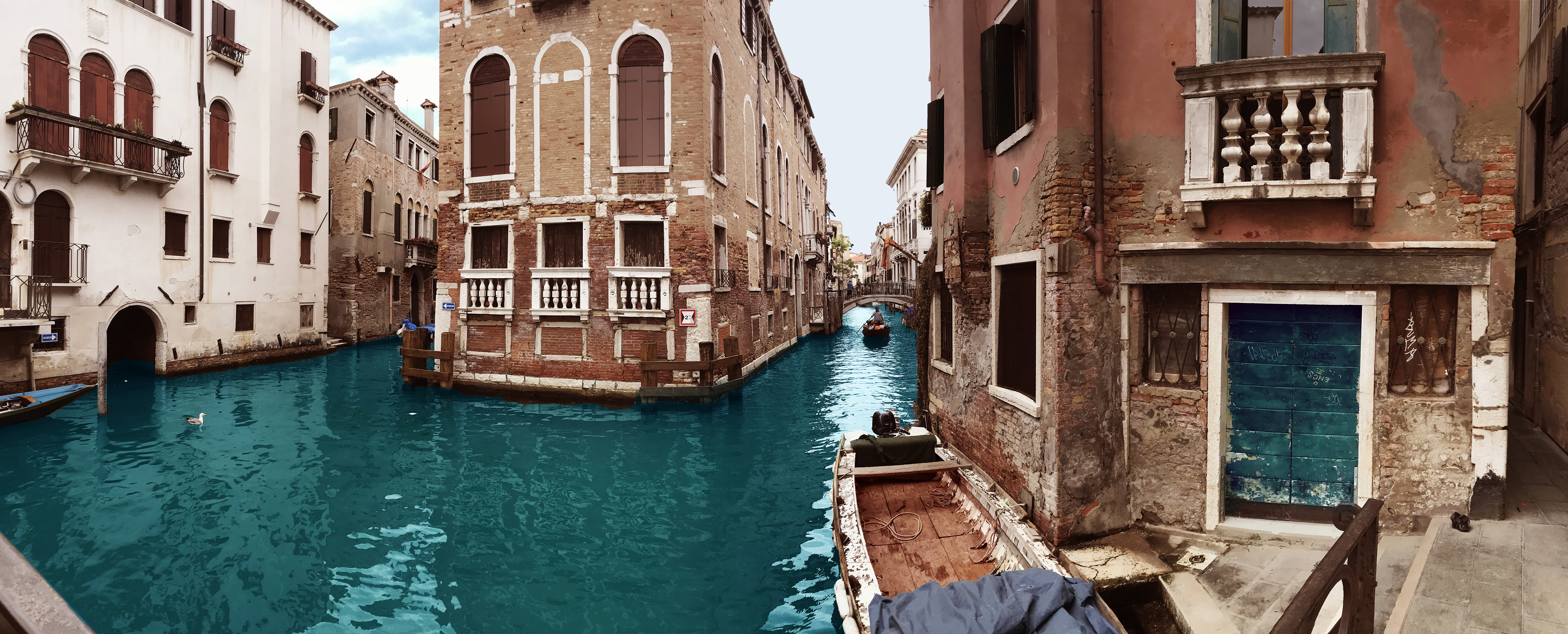
Venice canal

The Belvedere Museum in Vienna

A room-by-room guide to the Upper Belvedere, covering Klimt's golden-phase paintings, the Schiele galleries, and the medieval altarpiece collection on the ground floor.

The Albertina Museum in Vienna

Covers the Batliner Collection (Monet through Picasso), the Habsburg State Rooms, and how to time your visit to catch Dürer's graphic works when they are on rotation.

The Secession Building in Vienna

The history of Olbrich's building, the 1902 Beethoven exhibition, and a close reading of Klimt's 34-meter Beethoven Frieze in the basement gallery.

FAQ

Do I need to book Kunsthistorisches Museum tickets in advance?

Advance booking is recommended from May to October and on weekends. Timed-entry tickets reduce queuing. The museum is open daily 10:00–18:00, with extended hours until 21:00 on Thursdays.

Where is Klimt's The Kiss in Vienna?

The Kiss (1907–1908) is at the Upper Belvedere, first floor, in the Klimt and Secession room. The painting is the most visited work in the museum. Arrive at 10:00 opening for the smallest crowds.

How many days do I need for art in Vienna?

Three full days minimum: one for the Kunsthistorisches Museum alone, one for the Belvedere and Secession area, and one for the Albertina, Leopold Museum and MAK. If you add church interiors and the Liechtenstein Garden Palace, plan four days.

Can I visit the Belvedere and the Secession on the same day?

Yes. The Secession is about a 20-minute walk from the Upper Belvedere (or one tram stop). Visit the Belvedere in the morning, then walk to the Secession for the Beethoven Frieze in the early afternoon.

What are the must-see paintings at the Kunsthistorisches Museum?

Vermeer's The Art of Painting, Bruegel's Hunters in the Snow and Tower of Babel, Raphael's Madonna of the Meadow, Caravaggio's David with the Head of Goliath, and Velázquez's Infanta portraits. All are in the Picture Gallery on the first floor. Cellini's Saliera is in the Kunstkammer on the ground floor.

Vienna, where refinement became ideology.

Between the Habsburg Picture Gallery and the Secession revolt, Vienna produced one of Europe's most layered art cities. Imperial collecting, Klimt's decorative intensity, Schiele's graphic unrest, and the Wiener Werkstätte design tradition all coexist within walking distance of each other.