City page

Rome Art Map

Rome is too stratified to be understood through a simple list of monuments. Churches, palaces, museums, ruins, chapels, and sculpture form overlapping systems, and the map is what turns that complexity into something navigable.

Use this page to open Rome inside ArtAtlas, identify the main artistic clusters, and then move from map-based discovery to the deeper articles on TheIntroverTraveler.

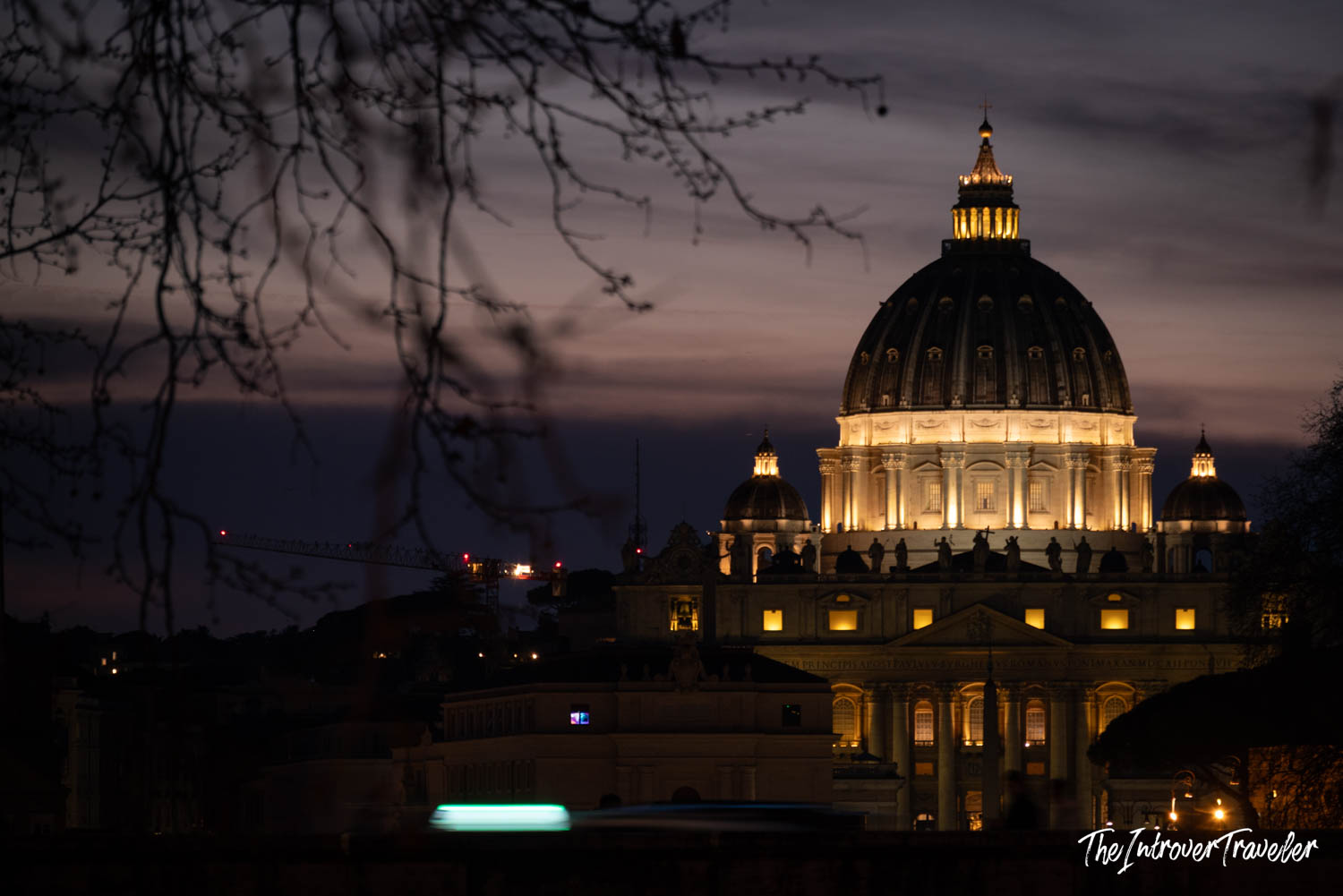
Rome dome at dusk

Explore Rome on the map

Baroque art Museums Churches Ancient sites
Open the full map

How to approach Rome intelligently

Rome punishes fragmentation. The city is too layered, too dense, and too historically stratified to reward improvised wandering once the main tourist corridors are saturated. The map helps you think in clusters rather than in isolated masterpieces.

  • Group churches, museums, and sculpture-rich spaces by district.
  • Use major anchors like the Vatican or Villa Borghese without letting them monopolize the entire itinerary.
  • Read Rome as a network of artistic and historical systems, not as a checklist of famous names.

Main Rome art clusters

Papal concentration

Vatican Museums and St. Peter's

The gravitational center of papal art and architecture, where collections, ritual, and monumentality converge on an almost absurd scale.

Baroque Rome

Piazza Navona, Pantheon, and nearby churches

A high-density zone where Bernini, Borromini, and the Roman church network turn urban space into a theatrical system.

Villa and collection

Villa Borghese and the northern axis

Essential for anyone who wants to understand Rome through sculpture, collecting, and the relationship between villa culture and museum display.

Read Rome on TheIntroverTraveler

Open the full ArtAtlas map

Useful for users who want to zoom out from Rome and compare the city with other art-heavy destinations.

Continue with Florence

Florence and Rome form the first strong internal pair in the ArtAtlas city network.

FAQ

Why use an art map for Rome?

Because Rome is too vast and too layered to reward random movement. The map helps turn complexity into coherent cultural routes.

Is this page only about museums?

No. Rome has to be approached through museums, churches, chapels, sculpture, archaeological sites, and the larger urban fabric.

What should I read after using the map?

Start with TheIntroverTraveler, then expand toward dedicated Rome articles as the editorial cluster around the city grows.

Rome, where power became spectacle.

If Florence distilled the rational clarity of Humanism, Rome staged the grand theater of authority. Papal ambition, aristocratic patronage, ancient remains, and Baroque invention collided here to produce one of the most overwhelming artistic environments in the Western world.