City page

Parma Art Guide

Parma holds Correggio's two greatest dome frescoes, Parmigianino's final work in the Steccata, one of the richest regional galleries in Italy (the Galleria Nazionale), and the spectacular Teatro Farnese, all within a walkable historic centre. This page maps every major artwork across churches, monasteries, museums and palaces, so you can plan a coherent cultural itinerary.

Below you will find the interactive map, the main art clusters, practical museum information with booking links, and suggested connections to artist-specific pages for Correggio, Parmigianino and Guercino.

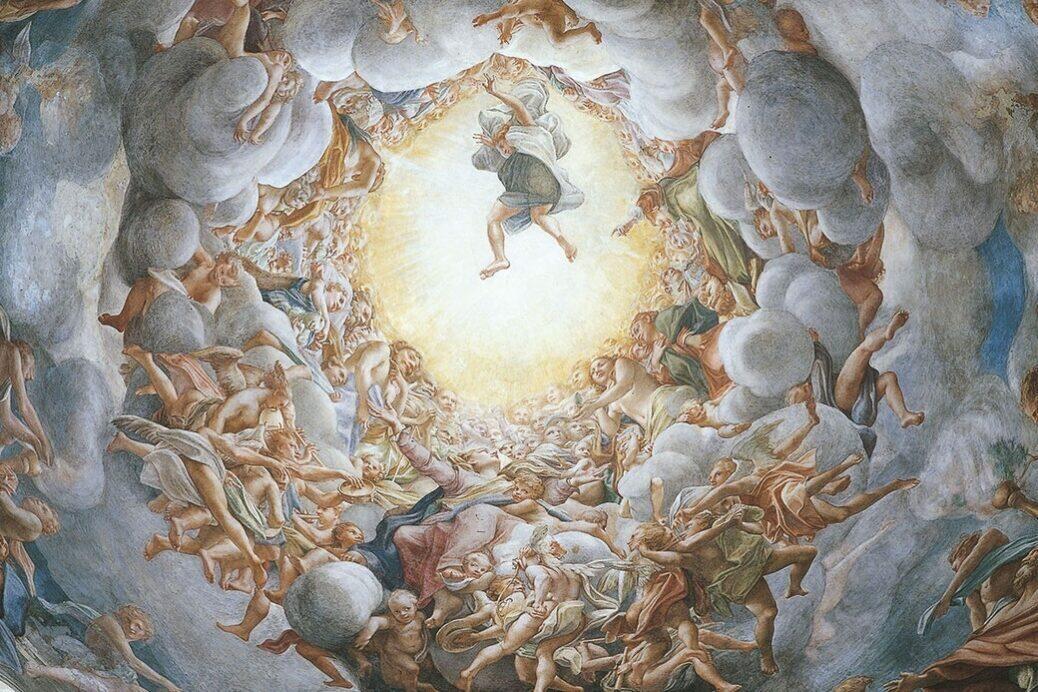
Interior of Parma Cathedral showing Correggio's dome fresco

Where to see art in Parma

Tap to activate map

Museums and sites in Parma

ⓘ Opening hours and admission prices listed on this page are indicative and subject to change. Always verify current information on the official website of each venue before your visit.

Complesso della Pilotta – Galleria Nazionale di Parma

Correggio, Parmigianino, Cima da Conegliano, El Greco, the Carracci family – open Tue–Sun, 10:30–19:00

The Galleria Nazionale occupies the upper floors of the Palazzo della Pilotta, a massive Farnese-era complex on the western edge of the centre. Key works include Correggio's Madonna della Scodella (c. 1528–1530) and the Martyrdom of Four Saints (1524), Parmigianino's Turkish Slave (c. 1533) and several portraits, Cima da Conegliano's Endymion Sleeping, and El Greco's The Healing of the Blind. The same ticket covers the monumental Teatro Farnese (1618), a wooden theatre modelled on Palladio's Teatro Olimpico, and the archaeological museum. Allow at least two hours. The complex is a 10-minute walk from Piazza Duomo.

Book a Complesso della Pilotta guided tour

Cathedral of Parma (Duomo)

Correggio's Assumption dome fresco (1526–1530) – free entry, daily 10:00–19:00

The Romanesque cathedral is home to Correggio's Assumption of the Virgin in the main dome, a spiralling composition of ascending figures that was revolutionary for its illusionistic depth. The crypt contains early medieval sculpture. At the crossing, look for the 12th-century relief panels of the Deposition on the architrave. The Baptistery, designed by Benedetto Antelami (begun 1196), stands immediately outside and contains a full cycle of his sculptural reliefs and painted lunettes. A combined Baptistery ticket is available at the entrance.

San Giovanni Evangelista

Correggio's dome and nave frescoes (1520–1524), Parmigianino's lateral chapels – free entry

The Benedictine church of San Giovanni Evangelista, about 100 metres southeast of the Cathedral, holds Correggio's earlier dome fresco, Vision of St. John on Patmos, along with his frieze of saints in the nave. Parmigianino painted two lateral chapels here (first and fourth on the left) during his early Parma years. The adjoining Spezieria di San Giovanni (the historic pharmacy) is worth a brief visit and requires a separate small ticket. Combined viewing of both Correggio domes (here and in the Cathedral) is essential for understanding how he developed his approach to illusionistic space.

Camera di San Paolo

Correggio's mythological ceiling (1519) – Tue–Sun 8:30–14:00, reservation recommended

This small chamber inside the former convent of San Paolo preserves Correggio's earliest known fresco cycle: a vault decorated with lunettes depicting Diana, putti, and classical references, painted for the abbess Giovanna da Piacenza. The room is intimate (it was a private dining room) and visitor numbers are limited. It is a 10-minute walk northwest of the Cathedral, near Via Melloni. Arrive early or reserve to avoid queues, especially on weekends.

Basilica di Santa Maria della Steccata

Parmigianino's Wise and Foolish Virgins (1531–1539) – daily, free entry to the church

The Steccata, a centrally-planned Renaissance church on Strada Garibaldi, contains Parmigianino's last and most troubled commission: the frescoed arch with the Three Wise and Three Foolish Virgins, which took eight contentious years to complete. The church also holds works by Michelangelo Anselmi and Bernardino Gatti. The Museo dell'Ordine Costantiniano (inside the Steccata complex) displays vestments, reliquaries, and Farnese-era artefacts. The church is a 5-minute walk southwest of Piazza Duomo.
Main Parma art clusters

Monumental core

Cathedral, Baptistery and Piazza Duomo

Correggio's Assumption dome, Antelami's Baptistery reliefs, and Romanesque sculpture all within a single piazza. Start here in the morning when light enters the nave. The Baptistery ticket office is on the south side. From here, San Giovanni Evangelista is a two-minute walk east.

Correggio core

San Giovanni Evangelista and Camera di San Paolo

San Giovanni Evangelista holds Correggio's earlier dome fresco and Parmigianino's chapel paintings. The Camera di San Paolo, a 10-minute walk northwest, preserves his mythological ceiling from 1519. Visiting both in sequence reveals how Correggio evolved from classical allegory to full illusionistic expansion in barely a decade.

Pilotta complex

Galleria Nazionale and Teatro Farnese

The Palazzo della Pilotta, facing the river on the west side of the centre, concentrates the Galleria Nazionale, the Teatro Farnese, and the archaeological museum under one roof. Budget at least two hours. The Pilotta is a 10-minute walk from the Cathedral; enter from Piazzale della Pace. Book a guided tour.

Explore the artists of Emilia

Correggio Art Map

Correggio's three major fresco cycles (Camera di San Paolo, San Giovanni Evangelista, and the Cathedral dome) are all in Parma. Continue on his artist page to trace additional works in Dresden, London, Rome and elsewhere.

Parmigianino Art Map

From the Steccata's arch frescoes to the Turkish Slave in the Galleria Nazionale, Parmigianino's Parma works anchor his career. His artist page maps paintings across Vienna, Naples, Madrid and beyond.

Guercino Art Map

Guercino's altarpieces in Cento, Bologna and Rome form the core of Emilian Baroque painting. His artist page connects to works in the Galleria Nazionale di Parma and across European collections.

Read Parma on TheIntroverTraveler

Venice canal

Correggio's Jupiter and Io

A semi-serious analysis of one of Correggio's most sensuous mythological paintings, originally part of the Loves of Jupiter cycle commissioned by Federico II Gonzaga. The original is in Vienna's Kunsthistorisches Museum, but the work's origins are Parmesan.

FAQ

Do I need to book the Galleria Nazionale di Parma in advance?

Booking is not strictly required, but it is recommended on weekends and during spring/autumn peak season. A guided tour of the entire Complesso della Pilotta (including the Teatro Farnese) can be booked through GetYourGuide. The gallery is open Tuesday to Sunday, 10:30 to 19:00; closed Mondays.

Where are Correggio's major frescoes in Parma?

His three main fresco cycles are: the mythological ceiling of the Camera di San Paolo (1519), the dome of San Giovanni Evangelista (1520–1524), and the Cathedral dome (Assumption of the Virgin, 1526–1530). The Cathedral and San Giovanni Evangelista are about 100 metres apart; the Camera di San Paolo is a 10-minute walk northwest.

How many days do I need for art in Parma?

Two full days cover all major sites comfortably: one day for the Cathedral, Baptistery, San Giovanni Evangelista and the Steccata; one day for the Pilotta complex and the Camera di San Paolo. A single intense day is possible if you start early and skip the archaeological museum.

Can I see Parmigianino's frescoes in Parma?

Yes. His most important Parma frescoes are in the Basilica di Santa Maria della Steccata (the Wise and Foolish Virgins in the eastern arch, 1531–1539). He also painted two lateral chapels in San Giovanni Evangelista. Panel paintings and portraits are in the Galleria Nazionale.

What is inside the Complesso della Pilotta?

The Pilotta houses the Galleria Nazionale (Correggio, Parmigianino, El Greco, the Carracci), the Teatro Farnese (a monumental wooden theatre from 1618), the Museo Archeologico Nazionale, and the Biblioteca Palatina. A single ticket covers all sections.

Parma, where grace learned to become atmosphere.

If Florence represents civic Humanism and Rome papal magnificence, Parma speaks a different language: sacred intimacy, courtly refinement, and the pictorial intelligence of painters who turned architecture into illusion. Between Correggio's domes, Parmigianino's elongated figures, and the Farnese collections of the Pilotta, this small city holds one of the highest concentrations of Renaissance and Mannerist painting in Italy.