City page

London Art Guide

London holds one of the densest concentrations of publicly accessible art in Europe: the National Gallery alone houses over 2,300 paintings spanning the 13th to the early 20th century. Add Tate Britain's Pre-Raphaelites and Turners, Tate Modern's 20th-century holdings, the Courtauld's Impressionists, the Wallace Collection's 18th-century French painting, and Hampton Court's Mantegnas, and you have a city that demands careful routing.

This page maps London's key art locations, provides practical booking information, and connects you to related artist pages for Turner, Hans Holbein, and Francis Bacon.

London art and architecture detail

Where to see art in London

Tap to activate map

Key museums and sites in London

ⓘ Opening hours and admission prices listed on this page are indicative and subject to change. Always verify current information on the official website of each venue before your visit.

National Gallery

Trafalgar Square – Free admission – Guided tours bookable in advance

Over 2,300 paintings from the 13th to the early 20th century. Essential highlights: Jan van Eyck's Arnolfini Portrait (1434, Room 56), Leonardo's Virgin of the Rocks (c. 1491–1508, Room 66), Velázquez's Rokeby Venus (1647–51, Room 30), Turner's The Fighting Temeraire (1839, Room 34), and Caravaggio's Supper at Emmaus (1601, Room 32). The Sainsbury Wing holds the Italian and Netherlandish collections from the 13th–15th centuries. General admission is free; special exhibitions require timed tickets. The museum is open daily 10:00–18:00 (Friday until 21:00).

Book a National Gallery guided tour

Tate Britain

Millbank, 15 min walk south of Westminster – Free admission – Guided tours available

The primary collection of British art from 1500 to the present. The Clore Gallery wing holds the Turner Bequest: over 300 oil paintings and 30,000 works on paper, including Snow Storm: Hannibal and his Army Crossing the Alps (1812) and Norham Castle, Sunrise (c. 1845). Beyond Turner, look for the Pre-Raphaelite galleries with Millais' Ophelia (1851–52), Waterhouse's The Lady of Shalott (1888), and Hogarth's satirical cycles. Open daily 10:00–18:00.

Book a Tate Britain guided tour

Tate Modern

Bankside, South Bank – Free admission – Connected to Tate Britain by Tate Boat

Housed in the former Bankside Power Station (converted by Herzog & de Meuron, opened 2000). The permanent collection spans early 20th century to contemporary, organized thematically. Key works: Picasso's Weeping Woman (1937), Rothko's Seagram murals (in a dedicated room, Level 3), Giacometti bronzes, and Francis Bacon's Triptych works. The Blavatnik Building extension (2016) hosts performance and installation art. Free admission for permanent displays; special exhibitions are ticketed. Open Sunday–Thursday 10:00–18:00, Friday–Saturday 10:00–22:00.

Book a Tate Modern guided tour

Hampton Court Palace

East Molesey, 40 min by train from Waterloo – Timed entry recommended

A Tudor and Baroque royal palace holding Andrea Mantegna's Triumphs of Caesar (c. 1484–92, nine large canvases in the Lower Orangery), one of the most important Renaissance painting cycles outside Italy. Also notable: the Great Hall with its hammerbeam roof, the Chapel Royal ceiling, and a collection of 16th–17th century paintings throughout the State Apartments. Book at least a day ahead during summer and school holidays. Allow half a day minimum, more if including the gardens and maze.

Book Hampton Court Palace tickets

Courtauld Gallery

Somerset House, Strand – 5 min walk east of Trafalgar Square

A compact but exceptional collection strong in Impressionism and Post-Impressionism. Highlights: Manet's A Bar at the Folies-Bergère (1882), Cézanne's The Card Players (c. 1892–96), Van Gogh's Self-Portrait with Bandaged Ear (1889), and a fine selection of Degas pastels. Earlier galleries hold works by Cranach, Rubens, and Botticelli. The gallery is small enough to visit in 1.5–2 hours. Open daily 10:00–18:00.

Wallace Collection

Hertford House, Manchester Square – Free admission

One of London's finest small museums, housed in an 18th-century townhouse. Exceptional for French 18th-century painting (Boucher, Fragonard, Watteau), plus Titian's Perseus and Andromeda (c. 1554–56), Velázquez's The Lady with a Fan (c. 1640), Hals' The Laughing Cavalier (1624), and Poussin's A Dance to the Music of Time (c. 1634–36). Also notable for European armour and Sèvres porcelain. A 10-minute walk from Oxford Street. Open daily 10:00–17:00.

Victoria and Albert Museum (V&A)

South Kensington – Free admission

The world's largest museum of decorative arts and design. For painting and sculpture specifically: the Raphael Cartoons Gallery (Room 48a) holds seven large-scale cartoons (1515–16) commissioned by Pope Leo X for Sistine Chapel tapestries. The Cast Courts (Rooms 46a–46b) contain full-scale plaster casts of Trajan's Column, Michelangelo's David, and the Portico de la Gloria. The Medieval and Renaissance galleries (Rooms 50a–64) include Donatello reliefs and Giambologna bronzes. Open daily 10:00–17:45 (Friday until 22:00).

National Portrait Gallery

St Martin's Place, next to the National Gallery – Free admission

Reopened in 2023 after major renovation. The Tudor galleries are essential: Holbein's cartoon of Henry VIII (c. 1536–37), the Ditchley Portrait of Elizabeth I by Marcus Gheeraerts the Younger (c. 1592), and portraits of Thomas More, Thomas Cromwell, and other key figures of the English Reformation. Later galleries hold Reynolds, Gainsborough, and significant 20th-century portraits. A natural companion to the National Gallery next door, easily combined in a single morning.

Dulwich Picture Gallery

Dulwich Village, south London – 20 min by train from London Bridge

England's first purpose-built public art gallery (designed by Sir John Soane, opened 1817). A superb small collection: Poussin's The Triumph of David (c. 1631–33), Rembrandt's Girl at a Window (1645), Murillo, Canaletto, and an outstanding group of Rubens sketches. The building itself, with Soane's top-lit galleries, is worth the visit. Open Tuesday–Sunday 10:00–17:00. Quieter than central London museums.
Main London art clusters

Institutional core

Trafalgar Square and the Strand

The National Gallery and the National Portrait Gallery sit on Trafalgar Square, with the Courtauld Gallery at Somerset House a five-minute walk east along the Strand. St Martin-in-the-Fields church is directly adjacent. This cluster covers European painting from the 13th century through Impressionism. Start early at the National Gallery (the Sainsbury Wing opens at 10:00) and walk to the Courtauld after lunch.

Museum mile

South Kensington: V&A, Natural History Museum area

The V&A holds the Raphael Cartoons, medieval sculpture, and one of the world's best collections of decorative arts. Nearby, the Royal Albert Hall and the Albert Memorial anchor the area. The South Kensington museums are all free (permanent collections) and within a few minutes' walk of each other. Best reached via South Kensington or Gloucester Road tube stations.

South Bank

Tate Modern, Bankside and the river walk

Tate Modern sits on the south bank of the Thames, linked to St Paul's Cathedral by the Millennium Bridge (5-minute walk). The Tate Boat river bus connects to Tate Britain at Millbank in around 20 minutes. Shakespeare's Globe is a few steps east. This stretch of riverside combines 20th-century art with historical and architectural interest.

Practical note

Westminster and Millbank

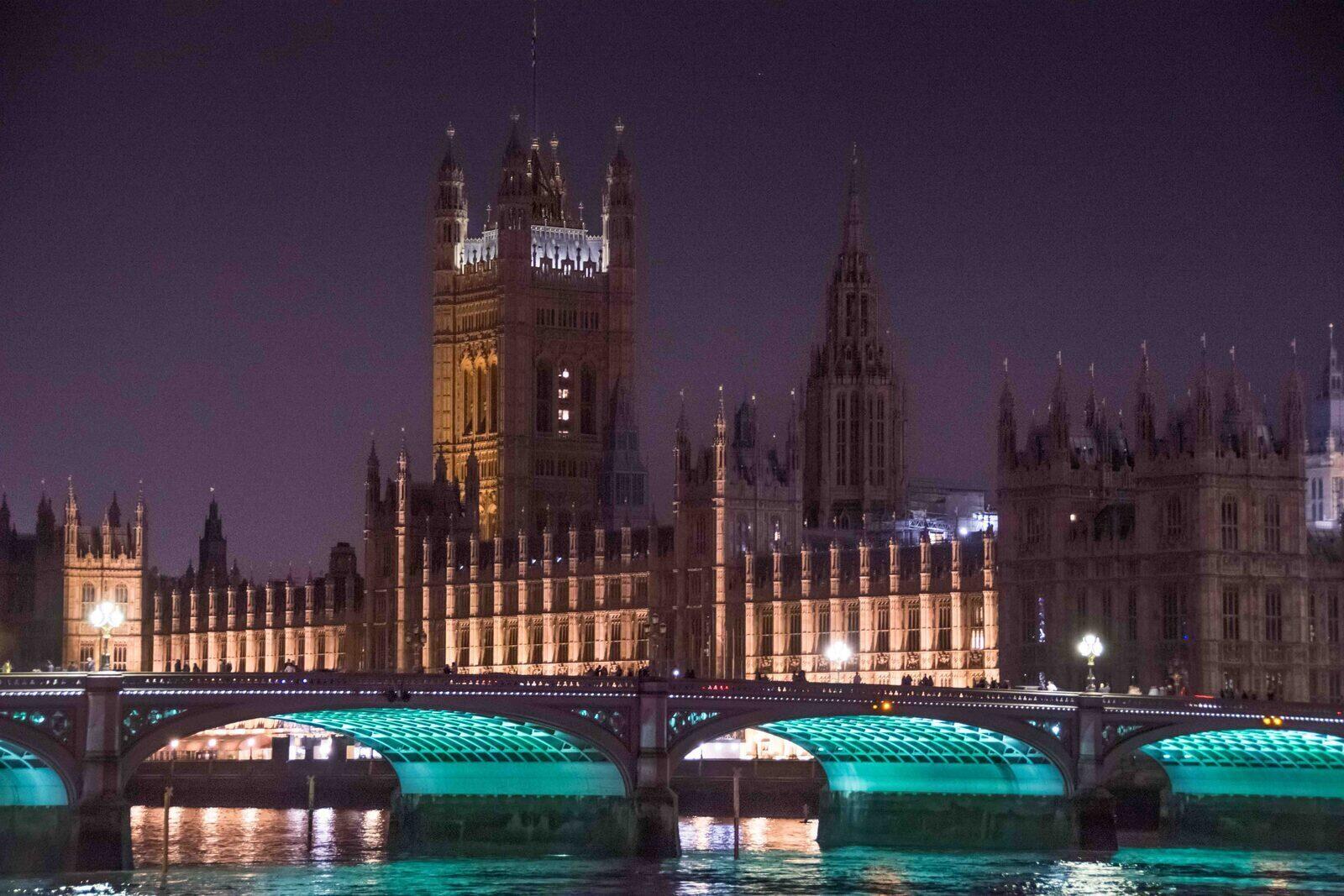
Tate Britain sits on Millbank, a 15-minute walk south from Westminster Abbey and the Houses of Parliament. If you are visiting Westminster for its architecture and history, continue south along Millbank to reach Tate Britain for the Turner Bequest and Pre-Raphaelite galleries. The Tate Britain guided tour covers both the permanent collection and temporary exhibitions.

Artists who shaped London's collections

Turner Art Map

The Turner Bequest at Tate Britain (Clore Gallery) holds over 300 oils and thousands of watercolours. The National Gallery has The Fighting Temeraire and Rain, Steam, and Speed in Room 34. The Courtauld and Wallace Collection also hold Turners. Follow the ArtAtlas Turner page to map every location.

Hans Holbein Art Map

Holbein's The Ambassadors (1533) hangs in Room 4 of the National Gallery. The National Portrait Gallery holds the cartoon of Henry VIII. The Royal Collection at Hampton Court and Windsor Castle includes further Holbein portraits. His work is inseparable from Tudor-era London.

Francis Bacon Art Map

Francis Bacon's triptychs and screaming popes are held at Tate Britain and Tate Modern. The Hugh Lane Gallery in Dublin preserves his reconstructed studio, but London remains the city most closely tied to his life and work. See the ArtAtlas Bacon page for all locations.

Frequently asked questions

Do I need to book the National Gallery in advance?

General admission is free and walk-in. Special exhibitions require timed tickets. Guided tours should be booked a few days ahead, especially for weekends and school holidays. Book a National Gallery guided tour here.

How many days do I need for art in London?

At least three full days: one for Trafalgar Square (National Gallery, National Portrait Gallery, Courtauld), one for Tate Britain and Tate Modern with the river walk, and one for South Kensington (V&A) or a day trip to Hampton Court Palace. A fourth day lets you visit the Wallace Collection, Dulwich Picture Gallery, and the Kenwood House collection in Hampstead.

Where are Turner's paintings in London?

The largest Turner collection is at Tate Britain's Clore Gallery (over 300 oils). The National Gallery holds The Fighting Temeraire and Rain, Steam, and Speed in Room 34. Additional works are at the Courtauld Gallery and the Wallace Collection.

Is Hampton Court Palace worth the trip from central London?

Yes. It is about 40 minutes by train from Waterloo. It holds Mantegna's Triumphs of Caesar cycle (nine canvases), Tudor-era kitchens, the Chapel Royal, and Baroque State Apartments. Allow at least half a day. Book Hampton Court tickets here.

Can I visit Tate Britain and Tate Modern in the same day?

Yes. Both are free for permanent collections. The Tate Boat river bus connects them in about 20 minutes. Start at Tate Britain in the morning (Turner Clore Gallery, Pre-Raphaelites), take the boat to Tate Modern after lunch (Rothko room, Picasso, contemporary installations). Cross the Millennium Bridge to reach St Paul's Cathedral.

London, where collecting became a public act.

If Florence represents civic Humanism and Rome papal magnificence, London speaks the language of institutions, public access, and accumulated scholarship. The National Gallery was founded in 1824 with just 38 paintings. Today the city holds tens of thousands of works across free-entry museums, royal palaces, historic churches, and private collections opened to the public. The geography of London's art is not concentrated in one district but distributed across the city, from Trafalgar Square to Dulwich, from Millbank to Hampton Court. Mapping it properly changes how you move through the city.