City guide

Bologna Art Guide

Bologna holds one of the richest concentrations of painting in northern Italy, centered on the Bolognese school that runs from the Carracci through Guercino, Guido Reni, and Domenichino. This guide maps the city's most important artworks across churches, museums, chapels, and civic palaces, helping you plan a cultural itinerary organized by artistic logic rather than casual proximity.

The Pinacoteca Nazionale anchors any serious visit, but Bologna's art extends across dozens of churches (San Domenico, San Giacomo Maggiore, Santa Maria della Vita), frescoed palaces (Palazzo Magnani, Palazzo Fava, Palazzo Pepoli Campogrande), and public spaces shaped by the world's most extensive system of porticoes.

View of Bologna's historic center and porticoes

Where to see art in Bologna

Tap to activate map

Key museums and sites in Bologna

ⓘ Opening hours and admission prices listed on this page are indicative and subject to change. Always verify current information on the official website of each venue before your visit.

Pinacoteca Nazionale di Bologna

Raphael, Guercino, Carracci, Guido Reni, Parmigianino – open Tue–Sun 10:00–19:00

The Pinacoteca Nazionale is Bologna's most important painting collection, housed in the former Jesuit novitiate on Via delle Belle Arti. The ground floor covers early Bolognese and Emilian painting (Vitale da Bologna, Simone dei Crocifissi), while the upper galleries concentrate the collection's strongest works. Room 15 holds Raphael's Ecstasy of Saint Cecilia (c. 1516), one of his late masterpieces. The Carracci rooms display Ludovico's Madonna dei Bargellini and Annibale's Madonna di San Ludovico. Guercino is well represented with several large altarpieces, and Guido Reni's Pietà dei Mendicanti and Massacre of the Innocents are among the collection's highlights. Parmigianino's Madonna of Saint Margaret is also here.

Visit Pinacoteca Nazionale (official site)

Palazzo Pepoli Campogrande

Baroque frescoes and Bolognese school paintings – managed jointly with Pinacoteca Nazionale

Palazzo Pepoli Campogrande on Via Castiglione houses a satellite collection of the Pinacoteca Nazionale in one of Bologna's grandest aristocratic residences. The main attraction is the Salone d'Onore with ceiling frescoes by the Carracci school, plus works by Donato Creti, Giuseppe Maria Crespi, and additional canvases by Guercino. The palace is typically included in the Pinacoteca Nazionale ticket. Located about 10 minutes' walk south of Piazza Maggiore.

Visit Palazzo Pepoli Campogrande (official site)

Basilica di San Domenico

Michelangelo, Niccolò dell'Arca, Nicola Pisano – free entry – Piazza San Domenico

The Basilica di San Domenico holds the Arca (tomb) of Saint Dominic, one of the most remarkable sculptural ensembles in Italy. Begun by Nicola Pisano and his workshop (c. 1265), it was completed over centuries. Niccolò dell'Arca added the upper canopy and figures (1469–1473). In 1494, the young Michelangelo (then 19, recently arrived from Florence) carved three figures: an angel holding a candelabrum, San Petronio, and San Procolo. These early works already show Michelangelo's sculptural power. The tomb is in the sixth chapel of the right nave. The basilica also contains a Filippino Lippi altarpiece (Mystic Marriage of Saint Catherine) and Guido Reni paintings in the choir. Free entry; open daily 8:00–12:30 and 15:30–18:30.

Santa Maria della Vita

Niccolò dell'Arca's Lamentation – small entrance fee – Via Clavature (2 min from Piazza Maggiore)

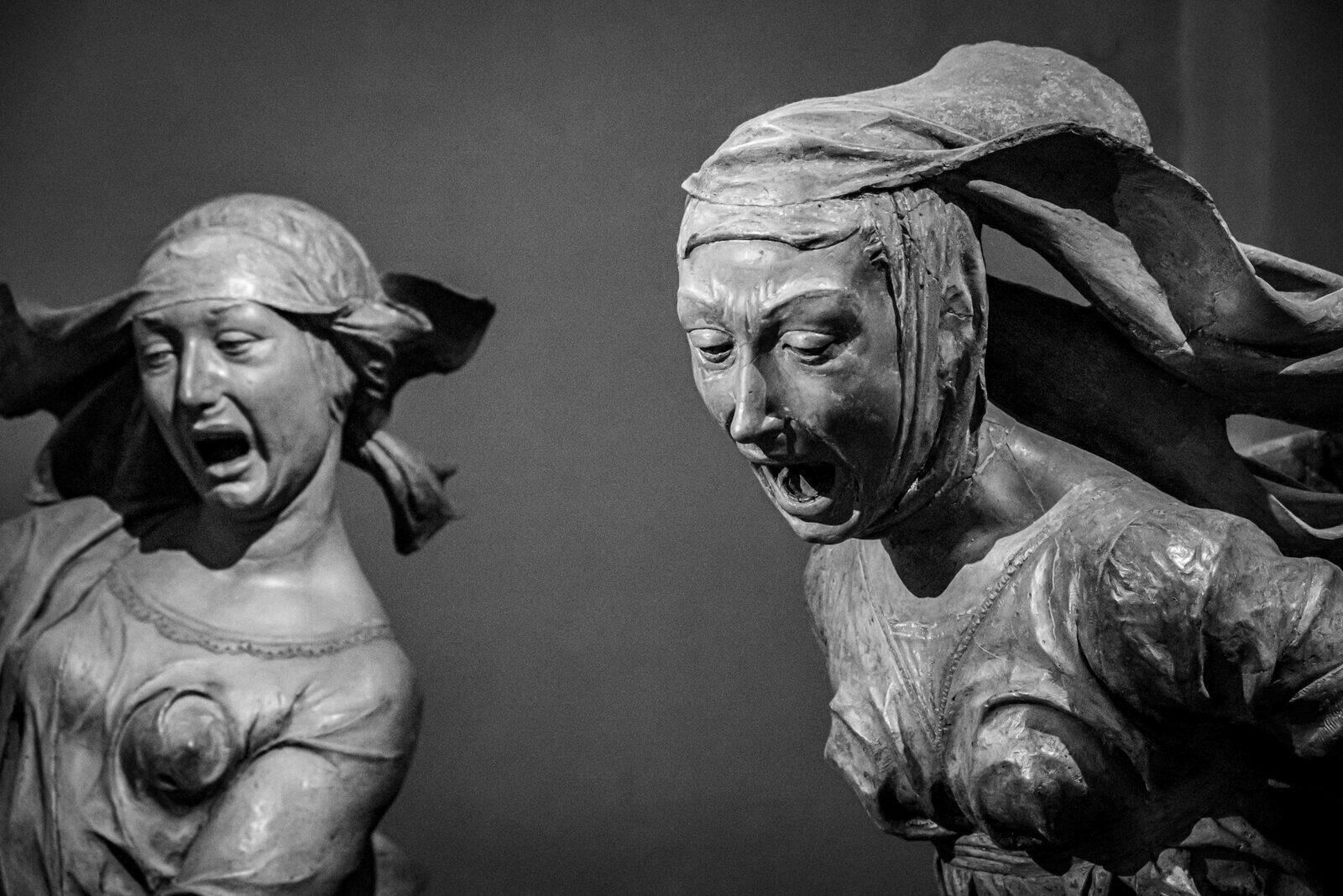
This small church houses one of the most emotionally intense sculptural groups of the Italian Renaissance: Niccolò dell'Arca's Compianto sul Cristo morto (Lamentation over the Dead Christ, c. 1463–1490), a life-size terracotta ensemble of seven figures surrounding the dead Christ. The screaming, windswept figures of the mourning women are unlike anything else in 15th-century sculpture. The work is in a chapel off the main nave, directly visible upon entry. Also in the complex: Alfonso Lombardi's Transito della Vergine (terracotta, 1522). Open Tue–Sun 10:00–19:00; small admission fee (around €5).

San Giacomo Maggiore

Cappella Bentivoglio frescoes (Lorenzo Costa, Francia) – free entry – Piazza Rossini

The Augustinian church of San Giacomo Maggiore contains the Cappella Bentivoglio, frescoed by Lorenzo Costa (1488–1490) with scenes from the Apocalypse and the Triumph of Death. The altarpiece is Francesco Francia's Madonna Enthroned with the Bentivoglio Family (1488). The chapel is a key document of late 15th-century Bolognese patronage. Located on Via Zamboni, about 5 minutes' walk from the Pinacoteca Nazionale.

Palazzo Magnani and Palazzo Fava

Carracci fresco cycles – check opening times (often by exhibition schedule)

Two aristocratic palaces preserve important fresco cycles by the Carracci. Palazzo Magnani (Via Zamboni 20) has the Stories of Romulus and Remus (c. 1590) by Annibale, Agostino, and Ludovico Carracci in the salone. Palazzo Fava (Via Manzoni 2) contains the Carracci's earlier Stories of Jason (c. 1583–1584) and Stories of Aeneas. Palazzo Fava hosts rotating exhibitions and the frescoed rooms are typically accessible during exhibition hours (check Genus Bononiae for current schedule). Palazzo Magnani visits may require advance arrangement.
Main Bologna art clusters

Church core

Piazza Maggiore to San Domenico: chapels and altarpieces

Within a 10-minute radius of Piazza Maggiore: Santa Maria della Vita (Niccolò dell'Arca's Lamentation), Basilica di San Petronio (Giovanni da Modena frescoes in the Bolognini Chapel, fourth chapel left nave), Basilica di San Domenico (Michelangelo, Guido Reni). Start at San Petronio, walk east to Santa Maria della Vita (2 minutes), then south to San Domenico (7 minutes). Allow a full morning.

Museum and university district

Pinacoteca Nazionale, San Giacomo Maggiore, Via Zamboni

The Pinacoteca Nazionale is on Via delle Belle Arti, adjacent to the university quarter. From the museum, walk 3 minutes south to San Giacomo Maggiore (Cappella Bentivoglio), then continue along Via Zamboni past Palazzo Magnani. The university area also contains the Museo di Palazzo Poggi with scientific collections and anatomical waxworks. Dedicate an afternoon to this cluster.

Practical note

Palazzo Pepoli and the southern quarter

South of Piazza Maggiore, Via Castiglione leads to Palazzo Pepoli Campogrande (Baroque frescoes, Guercino, Crespi) and toward the Basilica di Santo Stefano complex (seven churches, Romanesque). The walk from Piazza Maggiore to Palazzo Pepoli takes about 8 minutes. Santo Stefano is 3 minutes further. Check that Palazzo Pepoli is open on your visit day, as hours vary.

Artists who shaped Bologna

Guercino Art Map

Born in nearby Cento, Guercino is one of Bologna's defining painters. Key works at the Pinacoteca Nazionale include the Vestizione di San Guglielmo (1620). For a deeper immersion, take the 30-minute train to Cento and visit the Pinacoteca Civica, which holds over 20 Guercino paintings in the town where he was born and worked.

Michelangelo Art Map

Michelangelo arrived in Bologna in 1494, fleeing political turmoil in Florence. He was taken in by Gianfrancesco Aldovrandi and received the commission to complete three marble figures for the Arca di San Domenico. These sculptures (an angel, San Petronio, San Procolo) are among his earliest surviving works and can be seen in the Basilica di San Domenico.

Guido Reni Art Map

Born in Bologna in 1575, Guido Reni trained with the Carracci and became the city's most celebrated painter. His works are at the Pinacoteca Nazionale (Pietà dei Mendicanti, Massacre of the Innocents), in San Domenico (choir paintings), and at the Basilica di San Petronio. He is buried in the Basilica di San Domenico.

Nearby: Pinacoteca Civica di Cento (Guercino collection)

Pinacoteca Civica di Cento

Over 20 works by Guercino – 30 min by train from Bologna Centrale

The town of Cento, Guercino's birthplace, holds the most concentrated collection of his work anywhere. The Pinacoteca Civica displays major paintings from every phase of his career, including the San Carlo Borromeo in preghiera and several preparatory drawings. Cento is easily reached by regional train (Trenitalia, direction Ferrara, stop at Cento). The museum is a short walk from the station. Allow half a day for a round trip from Bologna.

Visit Pinacoteca Civica di Cento (official site)

Read Bologna on TheIntroverTraveler

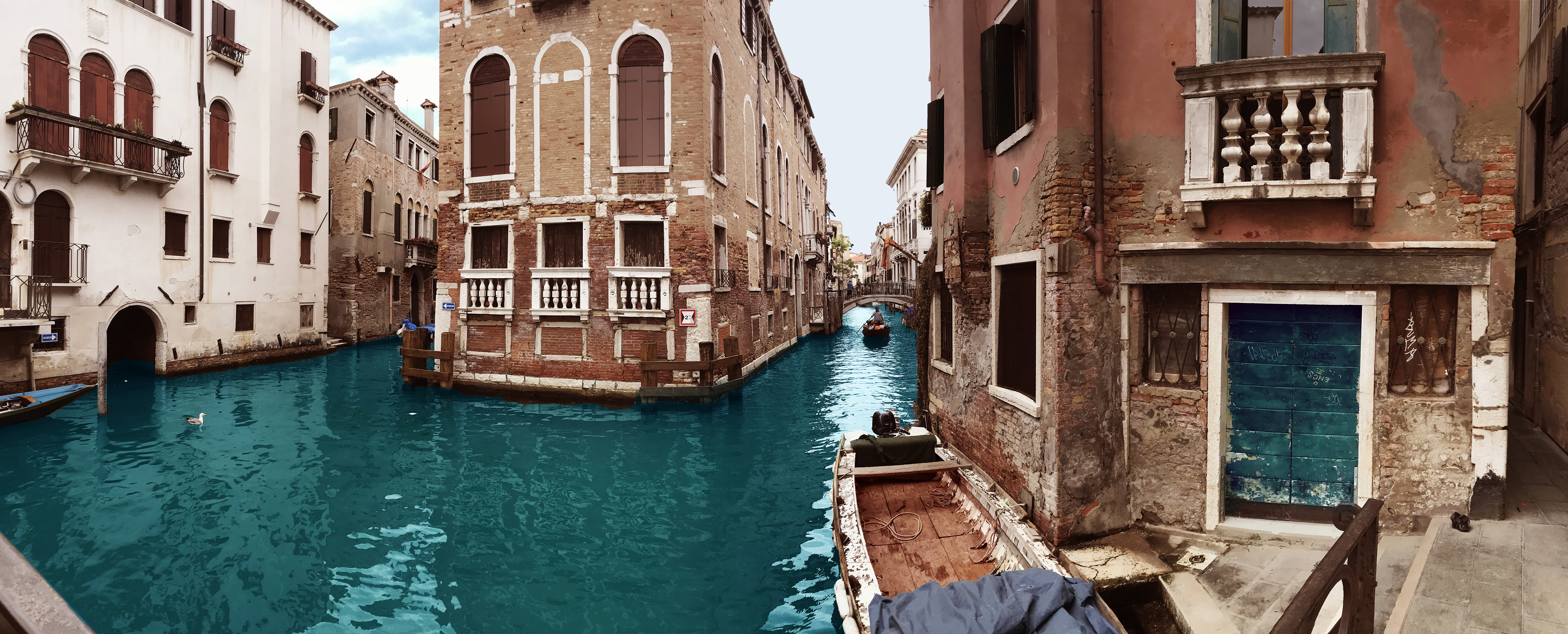
Venice canal

The Lamentation Over the Dead Christ

Niccolò dell'Arca's terracotta group in Santa Maria della Vita: seven life-size figures contorted by grief. One of the most radical sculptural works of the 15th century, far removed from Florentine composure.

The Ark of Saint Dominic

A monumental tomb sculpted over three centuries by Nicola Pisano, Niccolò dell'Arca, Michelangelo, and Alfonso Lombardi. The young Michelangelo's three figures (1494) mark his first commission outside Florence.

The Archiginnasio library

The Municipal Library of the Archiginnasio; the seat of the oldest university in the world, a major conservation library and the custodian of several notable works of art, such as the wooden statues of the “flayed men”.

Frequently asked questions

Do I need to book the Pinacoteca Nazionale in advance?

Advance booking is not strictly required but recommended for weekends. The museum is open Tuesday to Sunday, 10:00 to 19:00 (last entry 18:30). Tickets are available on site or through the official website. The same ticket often covers Palazzo Pepoli Campogrande.

Where is Michelangelo's sculpture in Bologna?

In the Basilica di San Domenico, Piazza San Domenico. Michelangelo's three marble figures (an angel, San Petronio, San Procolo) are on the Arca di San Domenico in the sixth chapel of the right nave. Entry is free.

How many days do I need for art in Bologna?

Two full days cover the Pinacoteca Nazionale, the major churches (San Domenico, Santa Maria della Vita, San Giacomo Maggiore, San Petronio), and Palazzo Pepoli Campogrande. A third day allows for the Carracci frescoes at Palazzo Fava and Palazzo Magnani, the Certosa monumental cemetery, and a half-day trip to Cento for Guercino.

Where can I see Guercino's paintings in Bologna?

The Pinacoteca Nazionale holds several major Guercino altarpieces. Palazzo Pepoli Campogrande has additional works. For the largest single collection, take the regional train to Cento (30 minutes), where the Pinacoteca Civica houses over 20 paintings by Guercino in his hometown.

What are the most important artworks in Bologna?

Raphael's Ecstasy of Saint Cecilia at the Pinacoteca Nazionale, Niccolò dell'Arca's Lamentation at Santa Maria della Vita, Michelangelo's figures on the Arca di San Domenico, the Carracci fresco cycles at Palazzo Magnani and Palazzo Fava, and Giovanni da Modena's frescoes in San Petronio's Bolognini Chapel.

Bologna, where painting became an argument.

If Florence is disegno and Naples is revelation, Bologna speaks the language of method, structure, and sustained pictorial intelligence. Art is not simply displayed here; it is elaborated, taught, corrected, and transmitted. It is a city where painting became a school, and the school became one of the most influential visual systems in Italy.