Artist page

Where to See Pontormo

Jacopo Carucci, known as Pontormo (1494–1557), left his most important works in Florence: the Deposition in the Capponi Chapel at Santa Felicita, the Passion of Christ frescoes at the Certosa del Galluzzo, and key paintings in the Uffizi and Palazzo Pitti. Outside Florence, his extraordinary Visitation hangs in the parish church of Carmignano.

This page maps every major Pontormo location, from churches and chapels to museum galleries, so you can plan visits with specific rooms, booking requirements, and walking routes between sites.

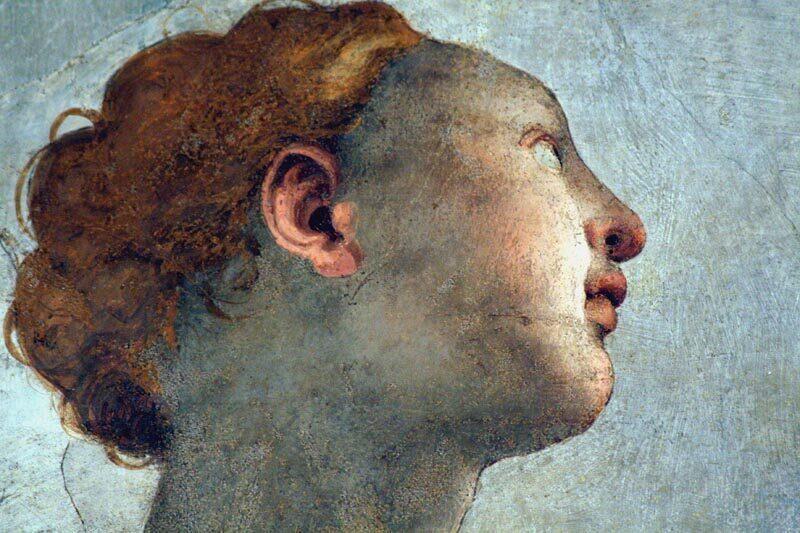
Pontormo, detail from the Deposition, Capponi Chapel, Santa Felicita, Florence

Explore Pontormo on the map

Tap to activate map

Key Pontormo locations

ⓘ Opening hours and admission prices listed on this page are indicative and subject to change. Always verify current information on the official website of each venue before your visit.

Santa Felicita, Capponi Chapel (Florence)

Deposition from the Cross (c. 1526–1528), four Evangelist roundels – free entry

The Capponi Chapel is immediately to the right upon entering Santa Felicita, across the Ponte Vecchio on the Oltrarno side. Pontormo's Deposition is the altarpiece: a swirl of weightless, pastel-colored figures with no cross, no landscape, and no stable ground. The four tondi of the Evangelists on the pendentives are by Pontormo (and Bronzino, his pupil). The Annunciation fresco fragments on the entrance wall survive in damaged condition. No reservation needed. The church is a 5-minute walk from Palazzo Pitti.

Galleria degli Uffizi (Florence)

Supper at Emmaus (1525), Portrait of Cosimo the Elder, Madonna and Child with Young St. John – book 3–5 days ahead in high season

Pontormo's works at the Uffizi are displayed in rooms 60–61, alongside other 16th-century Florentine Mannerists. The Supper at Emmaus (1525), originally painted for the Certosa del Galluzzo, shows a domestic scene invaded by silent spiritual intensity. The eye motif above the table refers to God the Father. The Portrait of Cosimo the Elder (c. 1519–1520) is a posthumous likeness, austere and deliberately archaic. Allow at least 3 hours for a full Uffizi visit.

Book Uffizi ticketsUffizi guided tour

Certosa di Firenze, Galluzzo (Florence)

Passion of Christ lunette frescoes (1523–1525) – check opening hours, guided visits may be required

Pontormo retreated to this Carthusian monastery during the 1522 plague and painted five lunette frescoes of the Passion of Christ in the cloister. The originals, detached and transferred, are now displayed in the Pinacoteca on the upper level. Their pale, almost translucent palette shows Pontormo studying Dürer prints, which he combined with his own sense of physical vulnerability. The Certosa is about 7 km south of Florence's center: take bus 37 from Piazza della Stazione (roughly 25 minutes). Combine with a morning visit, as the monastery can close early.

Certosa del Galluzzo official site

Palazzo Pitti, Palatine Gallery (Florence)

Adoration of the Magi (c. 1523), Martyrdom of the Ten Thousand – book 2–3 days ahead

The Palatine Gallery holds several Pontormo works hung in the richly decorated rooms of the Medici apartments. The Adoration of the Magi is notable for its compressed composition and anxious faces. Palazzo Pitti is a 3-minute walk from Santa Felicita, making it easy to combine both in one Oltrarno morning.

Book Palazzo Pitti tickets

Basilica della Santissima Annunziata, Chiostrino dei Voti (Florence)

Visitation fresco (1514–1516) – free entry

In the atrium (Chiostrino dei Voti) of the Santissima Annunziata, Pontormo painted this early Visitation as part of a fresco cycle that also includes work by Andrea del Sarto and Rosso Fiorentino. The fresco shows the young Pontormo already departing from his teacher Andrea del Sarto's calm equilibrium. The church is in Piazza Santissima Annunziata, a 10-minute walk north of the Duomo. Free entry, no reservation.

Santa Maria Novella (Florence)

Pontormo contributions in the choir area – entry ticket required

Santa Maria Novella contains minor Pontormo contributions alongside the major fresco cycles by Ghirlandaio and Masaccio's Trinity. The church requires a paid entry ticket, which also gives access to the cloisters and the Spanish Chapel.

Book Santa Maria Novella tickets

Pieve dei Santi Michele e Francesco, Carmignano

Visitation (1528–1530) – free entry, about 20 km west of Florence

Often considered Pontormo's finest single painting. The Visitation shows Mary and Elizabeth meeting, their bodies mirrored in an almost abstract embrace of swelling fabric and vivid, saturated color (electric pink, deep green, orange). The village of Carmignano is best reached by car or by bus from Prato. The painting hangs in the second altar on the right. The church is small and rarely crowded. Allow a half-day for this excursion.
How to approach Pontormo

Pontormo's paintings gain clarity when seen in the specific spaces they were made for. His palette (acid pinks, ghostly greens, luminous blues) and his refusal of stable composition respond to the scale of chapel walls, the direction of natural light, and the devotional purpose of each commission. Three practical principles for planning:

  • Start in the Oltrarno: walk from Santa Felicita (Capponi Chapel Deposition) to Palazzo Pitti's Palatine Gallery in a single morning.
  • Separate the Uffizi visit (Supper at Emmaus, portraits) from the church visits, since the Uffizi alone requires 2–3 hours minimum.
  • Reserve a half-day for the Certosa del Galluzzo (bus 37) or Carmignano (car/bus via Prato): both are outside the historic center and reward unhurried attention.

Main Pontormo clusters

Florence, Oltrarno

Santa Felicita and Palazzo Pitti

The Capponi Chapel Deposition and Palazzo Pitti's Palatine Gallery are a 3-minute walk apart. Start at Santa Felicita right after crossing the Ponte Vecchio, then continue uphill to Pitti. Both can be covered in a single morning. Pitti tickets should be booked online 2–3 days ahead in summer.

Florence, center

Uffizi and Santissima Annunziata

The Uffizi holds the Supper at Emmaus and key portraits (rooms 60–61). Walk 15 minutes north to Piazza Santissima Annunziata for Pontormo's early Visitation fresco in the atrium. The Annunziata atrium is free. Book Uffizi tickets well in advance.

Day trips from Florence

Certosa del Galluzzo and Carmignano

The Certosa (Passion frescoes, bus 37, 25 min from station) and Carmignano (Visitation, 20 km west, car or bus via Prato) are best visited on separate half-days. Neither is crowded, and both reward close, quiet looking. Check opening hours before departing.

Best city pages for Pontormo

Florence

The essential starting point: Santa Felicita, Uffizi, Palazzo Pitti, Santissima Annunziata, Santa Maria Novella, and the Certosa del Galluzzo are all in or near the city. The Florence page covers all museums and churches with booking links.

Full Pontormo map

See all geolocated Pontormo works on the interactive map, including locations outside Florence such as Carmignano and works in international museums (London, Munich, Paris).

Continue with Parmigianino

Pontormo and Parmigianino represent two poles of Italian Mannerism: Florentine chromatic tension and spatial instability versus Emilian elegance and linear refinement. Compare their approaches across the map.

FAQ

Where is Pontormo's Deposition from the Cross?

In the Capponi Chapel inside Santa Felicita, Florence. Cross the Ponte Vecchio toward the Oltrarno; the church is immediately on your left. The chapel is the first on the right as you enter. Entry is free, and no reservation is needed.

Which Pontormo paintings are in the Uffizi?

The Supper at Emmaus (1525), Portrait of Cosimo the Elder (c. 1519–1520), and Madonna and Child with the Young St. John (c. 1527–1528). They are in rooms 60–61. Book Uffizi tickets 3–5 days ahead during peak season.

Can I visit the Certosa del Galluzzo to see Pontormo's frescoes?

Yes. The Passion of Christ lunettes (1523–1525) are in the Pinacoteca on the upper level. Take bus 37 from Piazza della Stazione (about 25 minutes). Visits may require joining a guided tour of the monastery, so check the official site for current hours.

How many days do I need for Pontormo in Florence?

Two full days. Day one: Uffizi (morning), Santa Felicita and Palazzo Pitti (afternoon). Day two: Certosa del Galluzzo (morning), Santissima Annunziata and Santa Maria Novella (afternoon). Add a third half-day if you want to visit Carmignano.

Are there important Pontormo works outside Florence?

Yes. The Visitation (1528–1530) is in Carmignano, about 20 km west of Florence. Other works are held by the National Gallery in London, the Louvre in Paris, and the Alte Pinakothek in Munich. Use the full map to see all international locations.

Read Pontormo on TheIntroverTraveler

Venice canal

The Most Beautiful Painting in the World

An essay on the Deposition in Santa Felicita: the weightless figures, the impossible colour, and why this small chapel off the Ponte Vecchio contains one of the most radical works of the 16th century.

Michelangelo's David — and the Accademia

A guide to the Galleria dell'Accademia, which holds not only the David but also Pontormo's Venus and Cupid — one of his most refined panel paintings, often overlooked in the shadow of Michelangelo.

A Day in Lucca

Lucca as a base for exploring the artistic geography of western Tuscany — a natural extension of any itinerary that begins with Pontormo in Florence and continues toward Carmignano and Pescia.

Pontormo: where grace became unease

From the weightless, pastel-toned Deposition in Santa Felicita to the Dürer-influenced Passion frescoes at the Certosa, Pontormo's Florence rewards close, site-specific looking. Each chapel and gallery reveals a different facet of his restless invention. Open the map to plan your route.