Artist page

Where to See Parmigianino

Francesco Mazzola, known as Parmigianino (1503–1540), was one of the most inventive painters of Italian Mannerism. His career unfolded across three main cities: Parma, where he was born and returned to paint the Steccata frescoes; Rome, where he studied Raphael and Michelangelo before the Sack of 1527; and Bologna, where he worked for four productive years. Today his paintings are also held in Florence (the Uffizi's Madonna with the Long Neck), Vienna (the Self-Portrait in a Convex Mirror at the Kunsthistorisches Museum), Naples, and London.

This page maps all major Parmigianino locations, from the frescoes in Santa Maria della Steccata to the altarpieces in Bolognese churches and the panel paintings dispersed across European museums. Use it to plan visits and connect sites to the relevant ArtAtlas city pages.

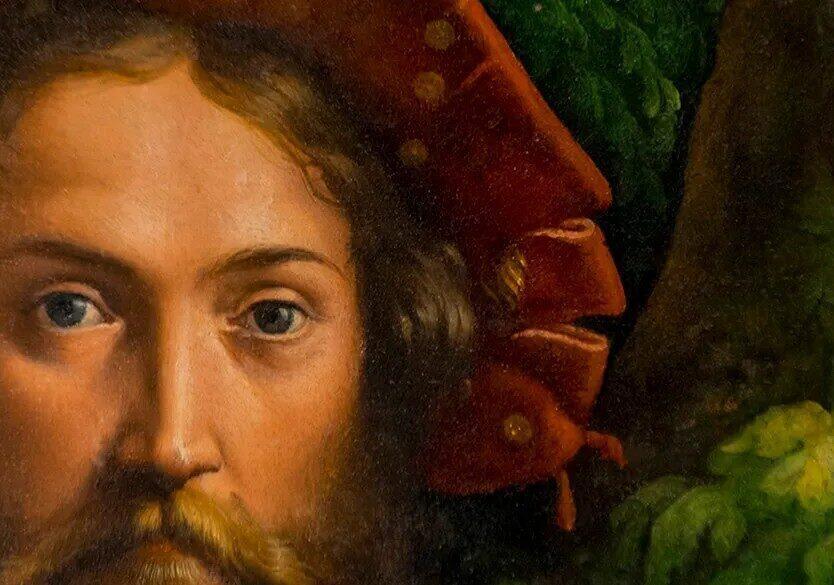
Parmigianino, detail from Madonna with the Long Neck

Explore Parmigianino on the map

Tap to activate map

Where to see Parmigianino: key museums and churches

ⓘ Opening hours and admission prices listed on this page are indicative and subject to change. Always verify current information on the official website of each venue before your visit.

Galleria Nazionale di Parma (Complesso della Pilotta)

Key works: Turkish Slave (c. 1533), preparatory drawings – Book 1–2 days ahead on weekends

The Galleria Nazionale, housed on the upper floors of the vast Pilotta complex, is the primary museum for Parmigianino in his native city. The Turkish Slave, a female portrait with a distinctive turban-like headdress, is among his most recognizable secular works. The museum also displays drawings and studies that reveal Parmigianino's obsessive attention to line and contour. The same ticket covers the Farnese Theatre and Biblioteca Palatina. Open Tuesday to Saturday, 10:00–18:00.

Book Complesso della Pilotta guided tour

Santa Maria della Steccata, Parma

Key works: Wise and Foolish Virgins fresco cycle (1531–1539) – Free entry, no booking required

Parmigianino's most ambitious (and troubled) fresco project occupies the vault and soffit of the eastern apse. Commissioned in 1531, the frescoes were never completed: the patron consortium lost patience with the artist's delays and eventually had him imprisoned for breach of contract in 1539. The visible portions, especially the elegant figures of the Virgins with their elongated limbs and mannered poses, are among the finest examples of Mannerist fresco painting. The church is a 10-minute walk from the Pilotta.

Galleria degli Uffizi, Florence

Key work: Madonna with the Long Neck (Madonna dal Collo Lungo, 1534–1540) – Book at least 3–5 days ahead

The Madonna with the Long Neck, displayed in the Mannerist rooms on the second floor, is perhaps the single most famous image of Italian Mannerism. The painting was commissioned by Elena Baiardi for Santa Maria dei Servi in Parma but remained unfinished at Parmigianino's death in 1540. Its exaggerated proportions (the Virgin's impossibly long neck and fingers, the tiny prophet figure in the background) were a deliberate rejection of classical proportion. Book well in advance; the Uffizi is one of the most visited museums in the world.

Book Uffizi ticketsBook Uffizi guided tour

Kunsthistorisches Museum, Vienna

Key works: Self-Portrait in a Convex Mirror (1524), Cupid Carving His Bow – Book 1–2 days ahead

The Self-Portrait in a Convex Mirror, painted when Parmigianino was just 21 and reportedly used as a calling card during his arrival in Rome, is one of the most celebrated self-portraits in art history. The distorted hand and curved room edges faithfully reproduce the effect of a barber's convex mirror. Cupid Carving His Bow is a sensuous mythological work nearby in the Italian galleries on the first floor. Both are small in scale but demand close, patient looking.

Book Kunsthistorisches Museum tickets

Pinacoteca Nazionale di Bologna

Key work: Madonna of St. Margaret (c. 1529) – No advance booking required

Parmigianino lived in Bologna from 1527 to 1531, after fleeing Rome during the Sack. The Pinacoteca Nazionale holds the Madonna of St. Margaret, a large altarpiece showing the Virgin and Child with saints, painted during this Bolognese period. The museum is in the university district, a short walk from Piazza Maggiore. Open Tuesday to Sunday, 10:00–19:00.

Pinacoteca Nazionale di Bologna (official site)

Museo di Capodimonte, Naples

Key works: Antea (c. 1535), Lucretia – Book 1–2 days ahead on weekends

The Antea (sometimes called Portrait of a Young Woman) is one of Parmigianino's most striking portraits: a three-quarter-length figure in elaborate dress whose identity remains debated. The Farnese collection at Capodimonte, on the second floor, also includes his Lucretia. The museum sits in the hilltop park of Bosco di Capodimonte, reachable by bus from the city center.

Book Capodimonte tickets
How to approach Parmigianino

Parmigianino's career lasted barely 17 years (c. 1523–1540), but it covered three distinct geographical phases, each with a different artistic emphasis. Understanding his work means following this itinerary:

  • Parma (early and late): his training under his uncles, early frescoes at San Giovanni Evangelista, and the late, unfinished Steccata cycle. Start here.
  • Rome (1524–1527): direct exposure to Raphael's late manner and Michelangelo. Few works survive from this period, but the Self-Portrait in a Convex Mirror (now in Vienna) was painted to impress Roman patrons.
  • Bologna (1527–1531): altarpieces and devotional paintings for Bolognese patrons, including the Madonna of St. Margaret and the Madonna of the Rose (now in Dresden).
  • Return to Parma (1531–1540): the troubled Steccata commission, the Uffizi's Madonna with the Long Neck, and the late portraits and prints.

Main Parmigianino clusters

Primary city

Parma: Steccata, Pilotta, San Giovanni Evangelista

Two to three hours are enough for the core Parmigianino sites. Start at the Pilotta complex (Galleria Nazionale: Turkish Slave, drawings), then walk 10 minutes south to Santa Maria della Steccata (Wise and Foolish Virgins frescoes). San Giovanni Evangelista, where the young Parmigianino painted side-chapel frescoes alongside Correggio's dome, is five minutes further east. All sites are within the historic center.

Emilian circuit

Bologna and Parma: a two-city Mannerist route

Bologna's Pinacoteca Nazionale (Madonna of St. Margaret) and Parma's Galleria Nazionale are connected by a one-hour train ride. Together they cover Parmigianino's two most productive periods. In Bologna, combine with the Palazzo Pepoli Campogrande and the Basilica of San Petronio for broader context.

Practical note

Florence and Vienna: the famous panel paintings

The two most reproduced Parmigianino paintings are in Florence (Uffizi: Madonna with the Long Neck) and Vienna (Kunsthistorisches Museum: Self-Portrait in a Convex Mirror). Both require advance tickets, especially in summer. At the Uffizi, look also for the small Madonna of San Zaccaria nearby.

Book Uffizi ticketsBook Kunsthistorisches Museum tickets

Best city pages for Parmigianino

Parma

The essential starting point. Parma holds the Steccata frescoes, the Turkish Slave at the Galleria Nazionale, and early works at San Giovanni Evangelista. The city page covers Correggio as well for a combined visit.

Open the full ArtAtlas map

See all Parmigianino locations across Europe at once, from Parma and Bologna to Florence, Naples, Vienna and London, and plan multi-city routes.

Continue with Correggio

Correggio worked in Parma in the decade before Parmigianino's return. Their dome frescoes at San Giovanni Evangelista and the Cathedral form a natural pair for any visitor to the city.

FAQ

Where is Parmigianino's Madonna with the Long Neck?

In the Galleria degli Uffizi, Florence, on the second floor in the Mannerist rooms. It is one of the most visited paintings in the museum. Book tickets at least 3–5 days ahead in peak season.

What Parmigianino works can I see in Parma?

The Galleria Nazionale di Parma (Pilotta complex) holds the Turkish Slave and drawings. Santa Maria della Steccata has the unfinished Wise and Foolish Virgins frescoes. San Giovanni Evangelista preserves early chapel frescoes. All three are walkable within 15 minutes.

Do I need to book the Galleria Nazionale di Parma in advance?

Not strictly, but advance booking is recommended on weekends and holidays. One ticket covers the entire Pilotta complex (Galleria Nazionale, Farnese Theatre, Biblioteca Palatina). Open Tuesday to Saturday, 10:00–18:00; closed Mondays.

Are there Parmigianino paintings in Vienna?

Yes. The Kunsthistorisches Museum holds the Self-Portrait in a Convex Mirror (1524) and Cupid Carving His Bow, both in the Italian painting galleries on the first floor.

How many days do I need to see Parmigianino's main works?

In Parma alone, half a day is enough for the three core sites (Pilotta, Steccata, San Giovanni Evangelista). A two-city trip adding Bologna's Pinacoteca Nazionale fits into a comfortable day trip or overnight. Florence and Vienna require separate visits.

Parmigianino, where elegance became tension.

From the Self-Portrait in a Convex Mirror painted at 21 to the abandoned frescoes at the Steccata, Parmigianino compressed an entire revolution in pictorial language into 17 years. His elongated figures and nervous, refined line work only make full sense when you see them in the churches and museums where they were made and where they remain.