Artist in city

Botticelli in Florence

Florence is indispensable for understanding Botticelli because it preserves him within the very cultural and spiritual climate that gave his art its peculiar tension. Here one encounters not only the celebrated painter of graceful line and mythological refinement, but also a Florentine artist formed by workshop discipline, Medici proximity, devotional commissions and the unstable equilibrium between courtly elegance, religious intensity and intellectual allegory.

This page is designed for readers who want something more useful than a tourist shorthand built around a few famous pictures. Use the map to locate Botticelli’s main Florentine sites, distinguish between museum masterpieces and church contexts, and build an itinerary that reflects the real urban and artistic geography of his presence in Florence.

View of the Galleria degli Uffizi courtyard, Florence, home to Botticelli's Primavera and The Birth of Venus

Explore Botticelli in Florence on the map

Tap to activate map

At a glance

Botticelli was born in Florence in 1445, worked here almost his entire life, and is buried at Ognissanti. The city holds the largest concentration of his work in the world.

  • Must-book in advance: Uffizi Galleries (peak-season queues exceed two hours without a reservation). Book Uffizi tickets here.
  • Free to enter: Ognissanti (Saint Augustine fresco, Botticelli's tomb). Most other Florentine churches charge an entry fee, including Santa Maria Novella.
  • Combined ticket available: Uffizi and Accademia together if Michelangelo is also on your list.
  • Minimum recommended time: half a day for the Uffizi alone; a full day to add Ognissanti and Palazzo Pitti.

Botticelli in Florence: painting between court and devotion

Florence matters because it preserves Botticelli in the environment that gives precision to his elegance. Outside Florence, Botticelli can too easily collapse into a stereotype: the painter of linear grace, flowing hair and decorative charm. In Florence, by contrast, one reads him against the workshop system, Medici patronage, civic culture, religious institutions and the peculiar Florentine habit of turning painting into an arena for poetry, theology and cultivated allusion.

The Florentine works matter because they reveal Botticelli under multiple and sometimes competing conditions of viewing. At the Uffizi, one encounters the canonical paintings that have come to define his global fame. In churches and more site-specific contexts, however, Botticelli appears differently: less as a maker of icons for reproduction, more as a painter embedded in devotional life, funerary memory and the practical realities of Florentine artistic production.

This is why a map is useful here. Florence holds enough Botticelli to fill several days, but the sites are not interchangeable. The Uffizi gives you the canonical pictures at close range. Ognissanti gives you the painter embedded in devotional life. The Medici buildings give you the patronage world that made the mythological paintings possible. Knowing where to go and in what order makes the difference between a scattered sequence of famous images and a coherent reading of an artist in his city.

Where to see Botticelli in Florence

Uffizi Galleries: Rooms 10-14

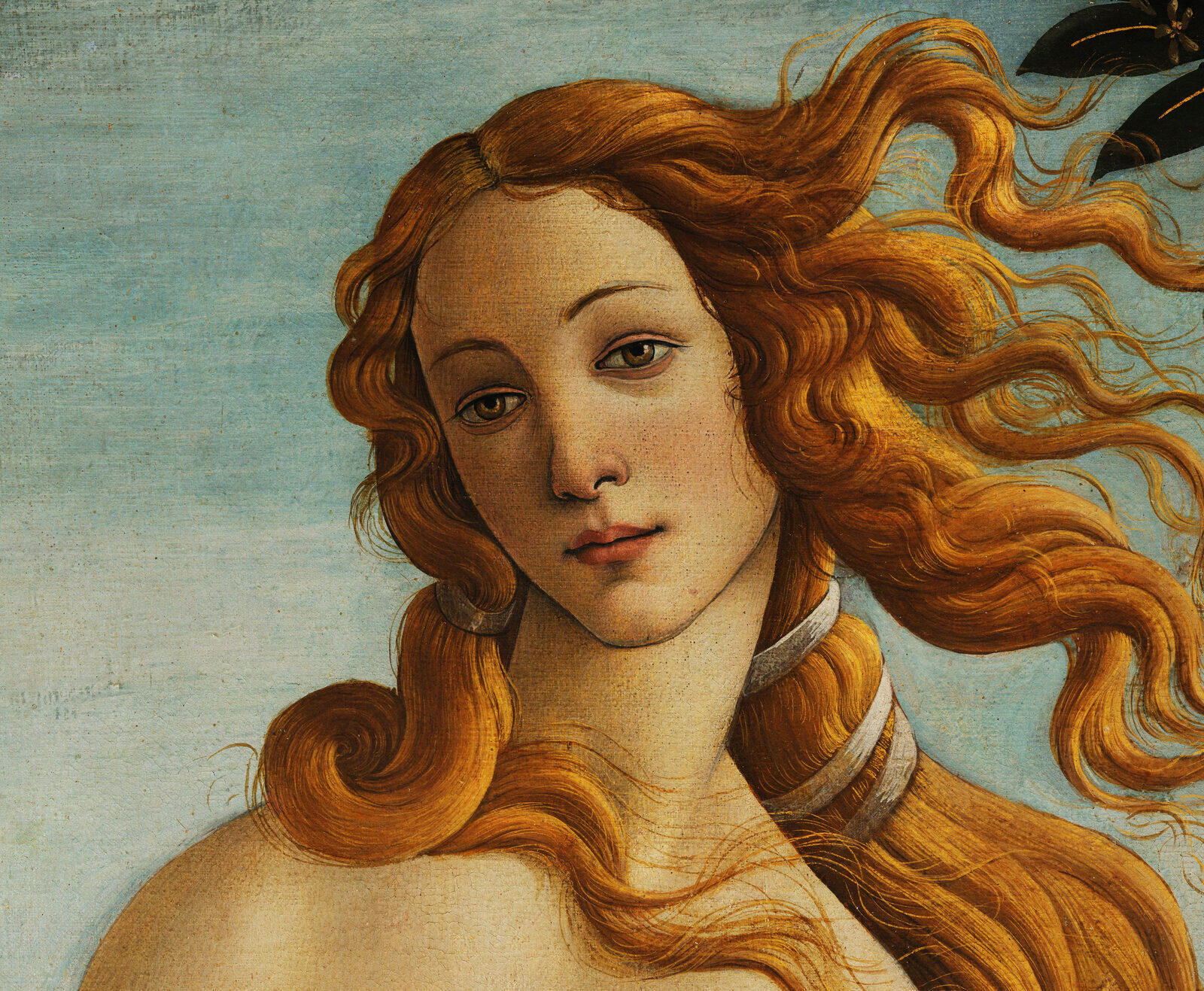
Rooms 10-14 in the first corridor hold the core of Botticelli's output: Primavera (c. 1477-82), commissioned for the Medici villa at Castello; The Birth of Venus (c. 1484-86); Pallas and the Centaur; the Adoration of the Magi, which contains his self-portrait in the right foreground; and the Return of Judith. Book in advance: this is the most visited section of one of Italy's most visited museums.

Book Uffizi skip-the-line tickets

Book a guided tour of the Uffizi

Ognissanti: Saint Augustine and Botticelli's tomb

The Saint Augustine fresco (1480) hangs in the nave facing Ghirlandaio's Saint Jerome, painted the same year for the same church: a direct competition between the two painters that the Uffizi's room-by-room logic cannot recreate. Botticelli is buried here, in the right transept, beneath a simple tomb slab. Free to enter, ten minutes from the Uffizi, and almost always quiet.

The Medici villas and the world of the Primavera

Primavera was commissioned for Lorenzo di Pierfrancesco de' Medici's villa at Castello, outside Florence. The Birth of Venus was likely made for the same patron. Both hung in private Medici spaces before entering the Uffizi: not public altarpieces but pictures for educated, humanist audiences. The Medici trail through Florence (Palazzo Medici Riccardi, San Lorenzo, the Laurentian Library) fills in the patronage world the map locates but cannot narrate.

Santa Maria Novella and the competitive Florentine scene

Santa Maria Novella contains Masaccio's Trinity alongside works by Ghirlandaio, Filippino Lippi and others who formed Botticelli's immediate competitive context. A walk through the church restores the visual world in which Botticelli learned to paint and against which his particular elegance was defined. Entry requires a ticket (the church is managed as a museum complex, not a free devotional space).

Visit the Uffizi Botticelli rooms early

Rooms 10-14 are the most congested section of the Uffizi. By mid-morning tour groups fill the space and make sustained looking difficult. A first slot (opening time, typically 9am) or a late afternoon slot gives significantly more room. If you have a guided tour, confirm that the guide allocates time specifically to the Botticelli rooms rather than treating them as a pass-through.
How to use this map efficiently

Before the trip

Book the Uffizi first, then plan around it

The Uffizi is the non-negotiable anchor of any Botticelli visit in Florence. Book a morning slot before anything else: peak-season availability disappears weeks in advance. Everything else in the city (Ognissanti, Palazzo Pitti, the Medici sites) can be planned around it without advance booking. Reserve your Uffizi ticket here.

On site

Two geographic clusters within walking distance

The Botticelli sites divide into two areas. The riverside cluster is anchored by the Uffizi; Ognissanti is a ten-minute walk west along the Arno; Palazzo Pitti is fifteen minutes across the Ponte Vecchio. The San Lorenzo cluster to the north is where Michelangelo dominates, but it is the natural complement for a full Renaissance day.

Practical note

Visit the Uffizi Botticelli rooms at opening time

Rooms 10-14 are the most congested section of the Uffizi. By mid-morning, tour groups fill the space and make sustained looking difficult. A first slot (opening time, typically 9am) or a late afternoon slot gives significantly more room. Confirm with any guide that time is allocated specifically to the Botticelli rooms.

More on TheIntroverTraveler

Florence canal view

Visiting the Uffizi Gallery

A practical guide to the Uffizi from someone who has spent a lot of time there: how to navigate the rooms, what to prioritize, and how to see the Botticelli section without losing two hours to the queue.

The Medici Tombs

Michelangelo's New Sacristy in San Lorenzo is ten minutes from the Uffizi and one of the most concentrated rooms of Renaissance sculpture in existence. A natural extension of any Botticelli day in Florence.

Michelangelo's David

The David at the Accademia is the other essential stop on any Florentine itinerary that begins with Botticelli. A combined Uffizi and Accademia ticket covers both in a single booking.

Visiting Botticelli in Florence: practical questions

Where can you see Botticelli in Florence?

The essential sites: Galleria degli Uffizi (Rooms 10-14: Primavera, The Birth of Venus, Pallas and the Centaur, Adoration of the Magi); Ognissanti (Saint Augustine fresco, 1480, and Botticelli's tomb in the right transept); Palazzo Pitti / Palatine Gallery (devotional panels); Santa Maria Novella (wider Renaissance context). All are within walking distance of each other.

What is the best order to visit Botticelli sites in Florence?

Book a morning slot at the Uffizi and go at opening time if possible. After the museum, walk ten minutes west along the Arno to Ognissanti: the Saint Augustine fresco and Botticelli's tomb take twenty minutes and the church is almost never crowded. Cross the Ponte Vecchio to the Palazzo Pitti in the afternoon if you have more time.

Is Ognissanti worth visiting for Botticelli?

Yes, and it is often skipped. Botticelli is buried here, and his Saint Augustine fresco (1480) hangs facing Ghirlandaio's Saint Jerome painted the same year: a direct artistic dialogue no museum arrangement can recreate. Free to enter, ten minutes from the Uffizi, almost always quiet.

How much time do I need to see Botticelli in Florence?

A half-day covers the Uffizi (allow at least two hours for Rooms 10-14, more if you want the rest of the museum). A full Botticelli day adds Ognissanti (20 minutes, free), Palazzo Pitti (1-2 hours), and the Medici buildings at San Lorenzo. The Galleria dell'Accademia is a 15-minute walk if Michelangelo is also on your itinerary.

Botticelli in Florence, where line becomes thought and elegance acquires tension.

Florence does not merely preserve Botticelli masterpieces. It reveals the cultural machinery that made them possible: workshops, Medici ambition, devotional commissions, poetic allegory and the peculiar Florentine ability to turn pictorial grace into an intellectual instrument. That is why a Florentine Botticelli map is not a convenience feature, but a serious tool of reading.